Hablamos Español!
Deciding when to spay or neuter your dog is an important part of responsible pet ownership. While many dogs undergo these procedures around six months of age, the ideal timing depends on several factors, including breed, adult size, sex, health, and lifestyle. A small-breed dog may be ready earlier than a large-breed dog, which may benefit from waiting until its body has developed further.
Spaying and neutering can help prevent unwanted pregnancies, reduce the risk of certain reproductive diseases, and address some hormone-related behaviors. However, performing the procedure too early or too late can have different health effects depending on the dog. Understanding these differences helps you make a decision based on your pet’s individual needs rather than following a single age recommendation.
Let’s look at the best age to spay or neuter a dog, how timing differs between breeds, what happens during the procedures, and what you should consider before scheduling surgery.
What Is the Best Age to Spay or Neuter a Dog?
There is no single ideal age for every dog. The recommended timing depends largely on whether your dog is male or female and how large it is expected to become as an adult.
For many small-breed dogs, spaying or neutering around six months of age is a common recommendation. Larger breeds may benefit from waiting until they are closer to physical maturity, which can take 12 to 18 months or longer in some giant breeds.
Here is a general overview:
| Dog Size | Common Timing Considerations |
|---|---|
| Small breeds (under 25 pounds) | Around 5–6 months |
| Medium breeds (25–50 pounds) | Around 6–12 months |
| Large breeds (50–90 pounds) | Around 12–18 months |
| Giant breeds (over 90 pounds) | Around 18–24 months in some cases |
These age ranges are general guidelines, not fixed rules. Some dogs need an earlier procedure to prevent pregnancy or manage a medical concern. Others may benefit from waiting for further development. Your dog’s breed, growth pattern, and health history should guide the final decision.
Why Does the Timing of Spaying or Neutering Matter?
Spaying and neutering affect more than your dog’s ability to reproduce. These procedures remove the reproductive organs responsible for producing hormones such as estrogen and testosterone.
These hormones play a role in reproductive health, growth, bone development, and other body functions. Removing the organs before a dog reaches physical maturity changes the timing of these hormonal effects.
The Role of Hormones in Growth
Sex hormones help regulate the closure of growth plates, which are areas of developing cartilage near the ends of long bones. These plates gradually harden as a dog matures.
When a dog is spayed or neutered before its growth plates close, the timing of bone development can change. In some breeds, early removal of reproductive hormones has been associated with a higher risk of certain joint conditions, including hip dysplasia and cranial cruciate ligament injuries.
This is one reason large and giant breeds may benefit from waiting longer than smaller dogs.
Breed-Related Health Risks
Research has shown that the relationship between spaying or neutering and long-term health varies between breeds. Some breeds have higher risks of certain joint problems or cancers following early sterilization, while other breeds show different patterns.
For example, studies involving Golden Retrievers, German Shepherds, and other large breeds have found that the age of surgery may influence the risk of specific health conditions.
This does not mean every dog of these breeds will develop a problem. It means breed-specific information should be part of the decision.
Best Age to Spay a Female Dog
Spaying a female dog involves removing the ovaries, usually along with the uterus. The procedure prevents pregnancy and stops heat cycles.
For many small female dogs, spaying around five to six months of age is common. For larger breeds, waiting until they are closer to physical maturity may be appropriate.
Should You Spay a Female Dog Before Her First Heat?
Spaying before the first heat cycle can significantly reduce the risk of mammary tumors. It also prevents unwanted pregnancy and eliminates the possibility of uterine infections such as pyometra when the uterus is removed.
However, the decision is not always as simple as scheduling surgery before six months. Larger breeds may have health considerations that support waiting until after their first heat cycle or until they are more physically mature.
Discuss the timing with your dog’s care team, especially if you have a breed that is prone to joint problems or certain cancers.
What Happens If You Wait Until After the First Heat?
Waiting until after the first heat does not automatically mean your dog will experience health problems. However, it changes certain health considerations.
The risk of mammary tumors increases with exposure to repeated heat cycles. An intact female dog also remains at risk of pyometra, a potentially life-threatening uterine infection that can develop later in life.
If you decide to wait, you must prevent accidental mating during every heat cycle and watch for signs of reproductive health problems.
Best Age to Neuter a Male Dog
Neutering a male dog involves removing both testicles. It prevents reproduction and reduces testosterone production.
For many small-breed male dogs, neutering around six months is common. Medium and large breeds may benefit from waiting until they are closer to full physical development.
Why Waiting May Benefit Some Male Dogs
Testosterone contributes to muscle development, bone growth, and the closure of growth plates. Removing this hormone too early may affect skeletal development in certain breeds.
Some studies have also linked early neutering with a higher risk of joint disorders in particular large-breed dogs.
Waiting does not guarantee that these conditions will be avoided, but it allows more time for natural physical development.
Does Neutering Reduce Aggressive Behavior?
Neutering can reduce certain hormone-driven behaviors, such as roaming in search of a mate, urine marking, and some forms of mounting.
However, it is not a guaranteed solution for aggression. Fear, anxiety, territorial behavior, poor socialization, and learned habits can all contribute to aggressive behavior.
If your dog displays aggression, identify the cause before assuming neutering will resolve it. Training and behavior support may be needed alongside any medical decision.
Does Your Dog’s Breed Affect the Best Age for Surgery?
Yes. Breed and expected adult size are two of the most important factors when deciding when to spay or neuter a dog.
Smaller dogs generally reach physical maturity sooner than larger dogs. A Chihuahua may finish growing much earlier than a Great Dane, which can take close to two years to reach full physical maturity.
Some breeds also have inherited health risks that make timing more important.
Small-Breed Dogs
Small breeds, such as Pomeranians, Dachshunds, Chihuahuas, and Yorkshire Terriers, often reach physical maturity earlier.
For many of these dogs, spaying or neutering around five to six months is a reasonable starting point. Their smaller body size generally makes the growth-related concerns seen in some large breeds less significant.
Large-Breed Dogs
Large breeds, including Golden Retrievers, Labrador Retrievers, German Shepherds, and Rottweilers, may benefit from a later procedure.
Depending on the breed and individual health risks, waiting until 12 to 18 months may be recommended. Some dogs may need additional time to reach skeletal maturity.
Giant-Breed Dogs
Giant breeds, such as Great Danes, Mastiffs, and Saint Bernards, often take longer to finish growing.
In some cases, waiting until 18 to 24 months may be appropriate. This gives the bones and joints more time to develop before reproductive hormones are removed.
Benefits of Spaying and Neutering Your Dog
Spaying and neutering offer several health and population-control benefits. Understanding these benefits helps put the timing decision into perspective.
1. Prevents Unwanted Pregnancies
Spaying prevents female dogs from becoming pregnant, while neutering prevents male dogs from fathering puppies. This helps reduce unplanned litters and the number of dogs entering shelters.
2. Reduces Certain Reproductive Health Risks
Spaying eliminates the risk of pyometra when the uterus is removed and prevents ovarian diseases when both ovaries are removed.
Neutering eliminates testicular cancer risk because the testicles are removed. It can also reduce the risk of some prostate conditions, although it does not prevent every prostate disease.
3. Helps Reduce Certain Hormone-Driven Behaviors
Neutering may reduce roaming, urine marking, and mounting in some male dogs. Spaying stops heat cycles and the behaviors associated with them.
Behavioral changes vary from dog to dog. These procedures should not replace proper training or treatment for behavioral concerns.
4. Makes Reproductive Management Easier
Female dogs no longer experience heat cycles after a standard spay procedure. This removes the need to manage bleeding, prevent mating during heat, and deal with the challenges of accidental pregnancy.
Are There Risks to Spaying or Neutering Too Early?
Yes. Early spaying or neutering may affect certain aspects of physical development, particularly in large and giant breeds.
Potential concerns include:
- Joint problems: Early hormone removal has been associated with increased risks of hip dysplasia and cruciate ligament injuries in some breeds.
- Certain cancers: Some breed-specific studies have found associations between early sterilization and increased risks of particular cancers.
- Growth changes: Removing reproductive hormones before growth plates close may affect the development of long bones.
- Weight gain: Dogs may have a lower calorie requirement after surgery, making weight management important.
These risks are not the same for every dog. The potential health effects depend on breed, sex, age at surgery, genetics, and lifestyle.
Waiting too long also has disadvantages, particularly for female dogs that remain at risk of pregnancy and pyometra. The goal is to choose an appropriate time rather than simply delaying surgery.
What Should You Consider Before Scheduling the Procedure?
Before choosing a date, consider the following factors with your dog’s care team.
Your Dog’s Age and Expected Adult Size
A dog’s current weight does not always indicate how much growing remains. Breed and expected adult size provide a better picture of physical maturity.
Overall Health
Existing health conditions, weight, medications, and previous medical problems can influence surgical planning. A pre-surgical examination helps determine whether your dog is ready for anesthesia and surgery.
Sex and Reproductive Health
Female dogs face pregnancy and uterine infection risks while intact. Male dogs may develop testicular or prostate-related conditions. These differences affect the benefits of surgical care and the timing decision.
Lifestyle and Risk of Accidental Mating
If your dog regularly interacts with intact dogs, the chance of an unplanned pregnancy may be higher. Your ability to supervise and separate dogs during heat cycles should also factor into the decision.
Recovery and Home Care
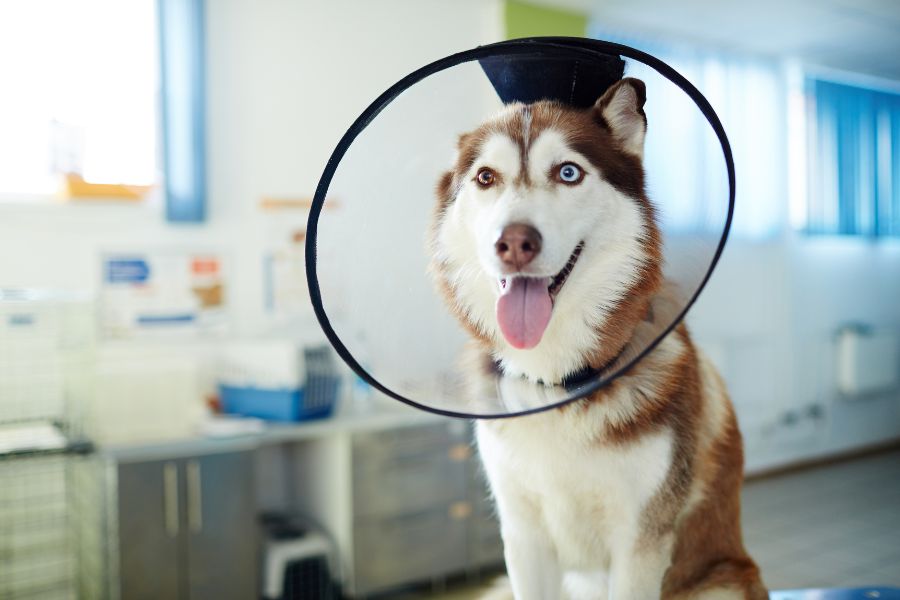
Plan for a quiet recovery period. Most dogs need restricted activity, incision monitoring, and an Elizabethan collar or recovery suit to prevent licking.
Follow the discharge instructions carefully and contact the clinic if you notice swelling, discharge, bleeding, repeated vomiting, or unusual weakness.
What Happens During Spaying or Neutering?
Both procedures are performed under general anesthesia, meaning your dog will be asleep and monitored throughout surgery.
For a female dog, the surgeon makes an abdominal incision to remove the ovaries, usually with the uterus. A laparoscopic spay may be available at some facilities and uses smaller incisions with specialized instruments.
For a male dog, the surgeon makes a small incision near the penis or scrotum to remove the testicles.
Before surgery, your dog may need a physical examination and blood tests. You will also receive instructions about food, water, and medication before the procedure.
Most dogs return home the same day, although the exact timing depends on their condition and the surgical plan.
Conclusion: Choosing the Right Time for Your Dog
The best age to spay or neuter a dog depends on more than a birthday or a standard six-month recommendation. Small breeds often undergo surgery earlier, while large and giant breeds may benefit from waiting until they are closer to physical maturity.
Female dogs also have different reproductive health considerations than male dogs, including the risks of unwanted pregnancy, heat cycles, and pyometra. Male dogs have their own considerations related to skeletal development and reproductive health.
Before making a decision, discuss your dog’s breed, expected adult size, sex, health history, and lifestyle with a qualified animal care professional. Ask about the benefits and risks of both early and delayed surgery.
If you are unsure when to schedule the procedure, book an appointment to discuss the most appropriate timing for your dog. A well-planned decision can help protect your pet’s long-term health while reducing the risks associated with unwanted reproduction.
Frequently Asked Questions(FAQs):
1. Can I spay or neuter my dog at six months old?
A: Yes. Six months is a common age for many small and medium-sized dogs. However, larger breeds may benefit from waiting until 12 to 18 months or longer. Your dog’s breed, sex, and health should guide the decision.
2. Is it better to spay a female dog before or after her first heat?
A: Spaying before the first heat can offer greater protection against mammary tumors and prevents pregnancy. However, some larger breeds may benefit from waiting until they are more physically mature. Discuss the advantages and disadvantages before choosing a date.
3. Will my dog become calmer after being neutered?
A: Neutering may reduce hormone-driven behaviors such as roaming, mounting, and urine marking. It does not automatically make a dog calmer or eliminate aggression. Training, exercise, socialization, and behavior support remain important.
4. Can I spay or neuter an older dog?
A: Yes. Adult and senior dogs can undergo these procedures if they are healthy enough for anesthesia and surgery. A physical examination and appropriate pre-surgical testing help assess their readiness.
5. How long does a dog take to recover after spaying or neutering?
A: Most dogs need around 10 to 14 days of restricted activity after routine surgery. Female dogs may need a longer or more closely monitored recovery because spaying involves abdominal surgery. Follow the clinic’s instructions and prevent running, jumping, and licking the incision until healing is complete.
Related Articles