Hablamos Español!
Many pet owners notice bad breath or yellow teeth and assume it is a minor issue that will pass on its own. In reality, small dental concerns can grow into painful infections that affect eating, energy levels, and daily comfort. This article explains how oral problems develop inside a pet’s mouth and how they may influence the heart, kidneys, and overall health.
You will also learn warning signs, simple prevention tips, and when professional help matters most. Pet dental health deserves early attention so pets stay active and comfortable with the families who love them in Palm Desert.
Why Oral Health Matters for Pets
Poor oral hygiene does more than create bad breath. Plaque builds along the gum line and slowly hardens into tartar. Bacteria settle under the gums and cause irritation that leads to swelling and pain. Pets often hide discomfort, so owners may not notice the problem early. As the infection grows, bacteria may enter the bloodstream and travel through the body.
Organs such as the heart, liver, and kidneys can become stressed over time. A small dental concern can turn into a larger health risk when it remains untreated for months or years. Early attention protects comfort and supports long, healthy lives for dogs and cats alike.
Common Signs of Dental Trouble in Pets
Bad breath is often the first clue owners notice at home. Pets may also drool more than usual or drop food while eating. Red gums, yellow buildup on teeth, and pawing at the mouth can appear as problems grow. Some pets prefer softer food or avoid chew toys they once loved.
Quiet behavior reduces play, and weight loss may follow as discomfort increases. Any of these signs deserves attention before infection spreads deeper below the gums.
How Dental Disease Affects the Body
Dental disease does not remain limited to the mouth. Bacteria from infected gums can enter the blood circulation during chewing or grooming. Over time, these microbes reach delicate organs and create inflammation that affects normal function.
The heart may experience strain, and the kidneys may struggle to filter waste efficiently. Some pets develop chronic pain that reduces appetite and energy. Pet dental health also influences immune strength since constant infection forces the body to fight bacteria every day. Routine exams and cleaning help stop these risks before they grow severe.
Prevention Steps That Protect Your Pet’s Smile
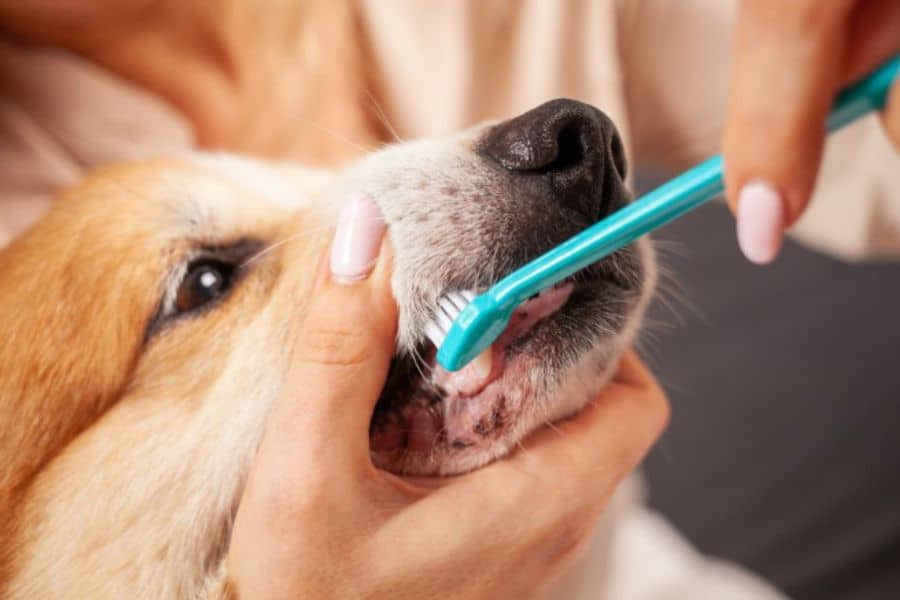
Daily habits make a big difference in oral care. Brushing a pet’s teeth with a pet-safe toothpaste removes plaque before it hardens. Dental treats, textured toys, and balanced diets support cleaner teeth during normal chewing activity.
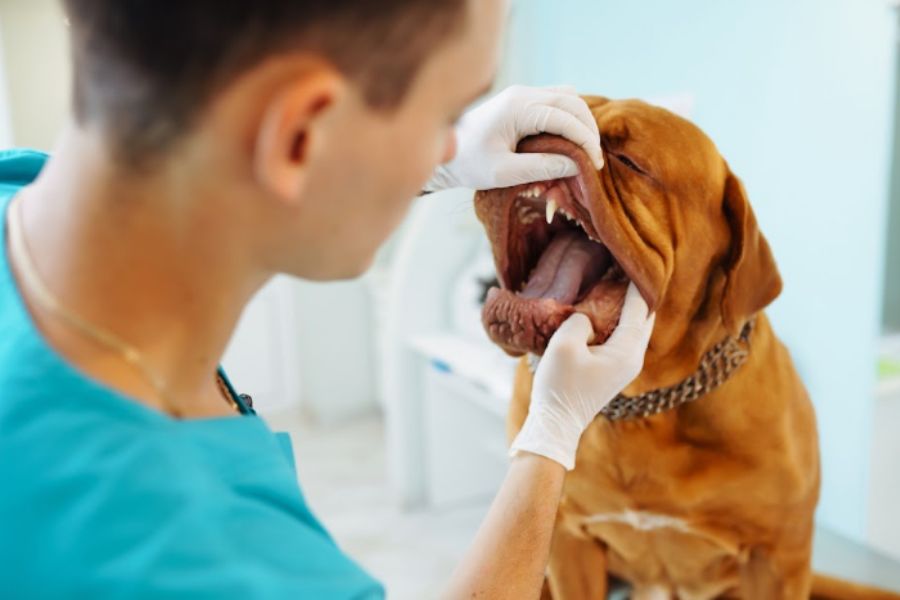
Regular checkups allow professionals to examine the mouth closely and spot early warning signs. Many clinics also offer safe cleaning procedures that remove tartar under the gums. Owners in desert communities often deal with dry climates where pets drink less water, which may worsen oral buildup. Simple routines at home protect comfort and prevent costly treatment later.
Supporting Your Pet’s Health with Professional Guidance
Pet owners often search online for answers when they notice dental concerns. Reliable guidance from an experienced clinic brings peace of mind and clear direction. A trusted hospital can evaluate teeth, gums, and overall condition during a routine visit.
Professionals also share feeding advice, cleaning tips, and treatment plans tailored to each pet. If you would like to explore preventive care and other wellness services available for your pet, you can learn more by visiting the hospital website, where detailed service information helps families choose the right care path for their companions.
Everyday Habits That Protect Teeth
Simple routines build strong protection for teeth and gums. Offer chew toys that encourage gentle scraping on tooth surfaces. Provide fresh water often so food particles rinse away after meals. Check your pet’s mouth during grooming time and notice color changes or swelling early.
Quick action prevents minor plaque from turning into a painful infection that affects comfort, sleep, appetite, and mood each day for pets.
Conclusion
Good dental care protects comfort eating habits and long-term wellness for beloved pets. Regular observation, brushing, and professional exams keep small problems from turning into painful illnesses that affect the entire body over time for many pets.
We are conveniently located in Palm Desert, CA, and welcome you to our facility at 72608 El Paseo Ste 4, Palm Desert, CA 92260—where compassionate care and community come together for your pet’s well-being. Book an appointment with El Paseo Animal Hospital.
Frequently Asked Questions About Pet Dental Problems
1. How often should pets have dental checkups?
A: Most pets benefit from a dental exam once each year. Senior animals or breeds prone to plaque may need more frequent visits. Regular monitoring helps detect tartar gum irritation and early infection before discomfort grows.
2. Can bad breath mean a serious problem?
A: Persistent bad breath often signals bacteria buildup below the gums. Odor may appear before visible damage develops. A dental exam can identify infection, tooth decay, or trapped food that irritates the mouth tissues.
3. Do dental treats replace brushing?
A: Dental treats help reduce plaque through chewing action, yet they cannot clean every tooth surface. Brushing removes sticky buildup along the gum line. Combining treats, toys, and brushing creates better daily protection for most pets.
4. Can dental disease shorten a pet’s life?
A: Untreated dental infections may spread bacteria into the bloodstream and place stress on vital organs. Chronic pain also reduces appetite and energy levels. Early care protects comfort and supports longer, healthier lives for pets.
5. Is professional dental cleaning safe for pets?
A: Modern clinics use careful monitoring and safe anesthesia to complete dental cleaning procedures. Trained teams watch breathing, heart rate, and comfort throughout the process. This approach allows thorough removal of tartar above and below the gums.
6. What foods help support dental health?
A: Crunchy kibble designed for oral care can reduce plaque during chewing. Balanced nutrition also supports strong teeth and gums. Ask your clinic about diets or treats made to improve daily oral hygiene for pets.