
Hablamos Español!
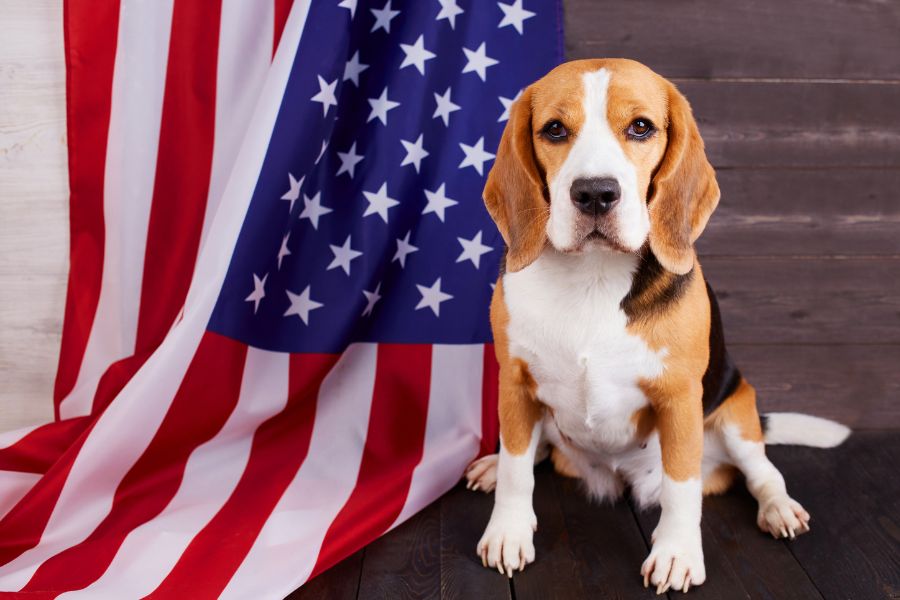
Every Fourth of July brings excitement for families, backyard gatherings, and dazzling fireworks displays. While people enjoy the celebration, many older dogs and cats experience fear, confusion, and anxiety because of loud noises and flashing lights. Senior pets often have changing hearing, vision, mobility, or cognitive health that can make the holiday even more overwhelming.
This guide explains how to prepare your home, reduce stress, recognize signs of anxiety, and know when extra support is needed. These simple steps can help your aging companion feel safe throughout the holiday weekend. Pet owners in Palm Desert can also benefit from planning before local Independence Day celebrations begin.
Why July 4th Is More Stressful for Senior Pets
Many pets become nervous during fireworks, though senior pets often react differently from younger animals. Aging changes how they process unfamiliar sounds, bright flashes, and busy environments.
Older pets may already experience hearing loss, reduced vision, arthritis, or age-related confusion. Sudden fireworks can increase uncertainty, making them pace, hide, tremble, or refuse food. Even pets that ignored fireworks in earlier years may become anxious as they grow older.
Holiday parties also introduce unfamiliar visitors, louder conversations, and changes in routine. Combined with fireworks, these situations can create lasting stress if preparations are not made in advance.
Common Signs of Firework Anxiety in Older Pets
Knowing what to watch for helps you respond quickly before anxiety becomes severe.
Physical Signs
Your senior pet may show:
- Trembling or shaking
- Panting without exercise
- Drooling more than usual
- Restlessness
- Hiding under furniture
- Refusing meals or treats
Behavioral Changes
Some older pets may:
- Bark or meow excessively
- Pace through the house
- Scratch at doors or windows
- Follow family members constantly
- Become withdrawn
- Have indoor accidents
Recognizing these behaviors early allows you to provide comfort before stress continues to build.
Prepare Before Fireworks Begin
Planning is one of the best ways to reduce senior pet anxiety during Independence Day celebrations.
1. Create a Safe Space
Choose a quiet room away from windows. Close curtains to reduce bright flashes and outside activity. Place your pet’s favorite bed, blanket, toys, and fresh water inside the room.
Keeping familiar scents nearby helps many pets feel more secure.
2. Exercise Earlier in the Day
Take dogs for a walk well before evening fireworks begin. Gentle exercise encourages relaxation without overexerting older joints.
Cats also benefit from interactive indoor play earlier in the day.
3. Keep Identification Current
Fireworks often cause frightened pets to escape. Make sure your pet wears an updated ID tag and that microchip information remains current.
Ways to Comfort Your Senior Pet During Fireworks
Your presence can make a meaningful difference during stressful moments.
1. Stay Calm
Pets often notice human emotions. Speaking softly and behaving normally helps reassure them that they are safe.
Avoid scolding fearful behavior. Anxiety is not disobedience.
2. Use Gentle Background Noise
Turn on calming music, a television, or a fan to reduce the impact of loud fireworks outside. Consistent background sounds help mask explosions.
3. Respect Their Comfort Level
Some pets prefer cuddling close to family members. Others feel safer resting alone in their quiet space.
Allow your pet to choose what feels most comfortable instead of forcing interaction.
Keep the Holiday Routine Consistent
Senior pets depend on familiar schedules.
Feed meals at normal times whenever possible. Continue regular medication schedules without interruption. Keep bedtime routines consistent, even if holiday activities continue later into the evening.
Predictability provides reassurance when the outside environment feels unpredictable.
Should You Try Calming Products?
Some pets benefit from calming wraps, soothing music, or pheromone products during fireworks. These options may help reduce mild anxiety for certain dogs and cats.
Avoid trying unfamiliar products for the first time immediately before July 4th. Test them several days earlier to see how your pet responds.
If your senior pet has experienced severe firework anxiety before, speak with your trusted pet care team well before the holiday. They can discuss safe options that fit your pet’s age and overall health.
Extra Care for Pets With Cognitive Changes
Older pets experiencing memory loss or confusion often become more distressed during fireworks.
Keep lighting consistent inside the home to reduce confusion. Block access to staircases if mobility has declined. Stay nearby whenever possible during the loudest part of the evening.
Simple reassurance, familiar surroundings, and patience often provide significant comfort.
Firework Safety Tips Every Pet Owner Should Remember
Following these practical steps can help protect your senior companion throughout the celebration.
- Keep pets indoors before fireworks begin.
- Close windows and doors securely.
- Leave collars with identification attached.
- Avoid taking pets to fireworks displays.
- Check fences and gates before the holiday.
- Offer fresh water throughout the evening.
- Watch for signs of overheating during outdoor gatherings.
- Give your pet plenty of quiet time after the celebrations end.
Small preparations often prevent larger problems later.
When Professional Help May Be Needed
Some pets experience intense fear that continues long after fireworks stop. Severe panic, repeated escape attempts, refusal to eat, or prolonged shaking deserve professional attention.
Planning before Independence Day allows you to explore supportive solutions without waiting until anxiety becomes overwhelming. If your senior pet has struggled with fireworks before, book an appointment to discuss personalized strategies before the holiday arrives.
Conclusion
Fireworks are a joyful tradition for many families, though they can become one of the most stressful experiences of the year for aging pets. Careful preparation, familiar routines, a quiet environment, and patient reassurance can help your senior companion feel more secure throughout the Fourth of July celebrations.
If you’re located in Palm Desert, consider reaching out to El Paseo Animal Hospital, where compassionate care and a strong commitment to the local community come together to support your pet’s health, comfort, and well-being during every stage of life.
Frequently Asked Questions(FAQs):
1. Why are senior pets more afraid of July 4th fireworks?
A: Older pets may experience hearing changes, reduced vision, cognitive decline, or joint discomfort that make loud fireworks feel more confusing and frightening. Age-related changes can increase sensitivity to unfamiliar sounds and busy holiday environments.
2. How can I calm my senior dog during fireworks?
A: Create a quiet indoor space, close curtains, play calming background noise, stay relaxed, and keep your dog’s daily routine consistent. Familiar bedding and your reassuring presence often help reduce anxiety during loud celebrations.
3. Should I leave my senior cat alone during fireworks?
A: Most senior cats feel safer indoors in a quiet room with familiar items. Check on them regularly without forcing interaction. Allow your cat to hide if that helps them feel secure throughout the evening.
4. Are calming products safe for older pets?
A: Many calming products may help some senior pets, though every animal responds differently. Introduce new products several days before July 4th instead of waiting until fireworks begin to see how your pet reacts.
5. What should I do if my senior pet tries to escape?
A: Bring your pet indoors immediately, secure all doors and gates, confirm identification tags are attached, and keep updated microchip information. Never allow frightened pets outside unsupervised during fireworks displays.
6. When should I seek professional advice for firework anxiety?
A: If your senior pet experiences extreme panic, refuses food, injures themselves while trying to escape, or remains anxious long after fireworks end, schedule a visit to discuss safe, personalized anxiety management options.
Related Articles