Hablamos Español!
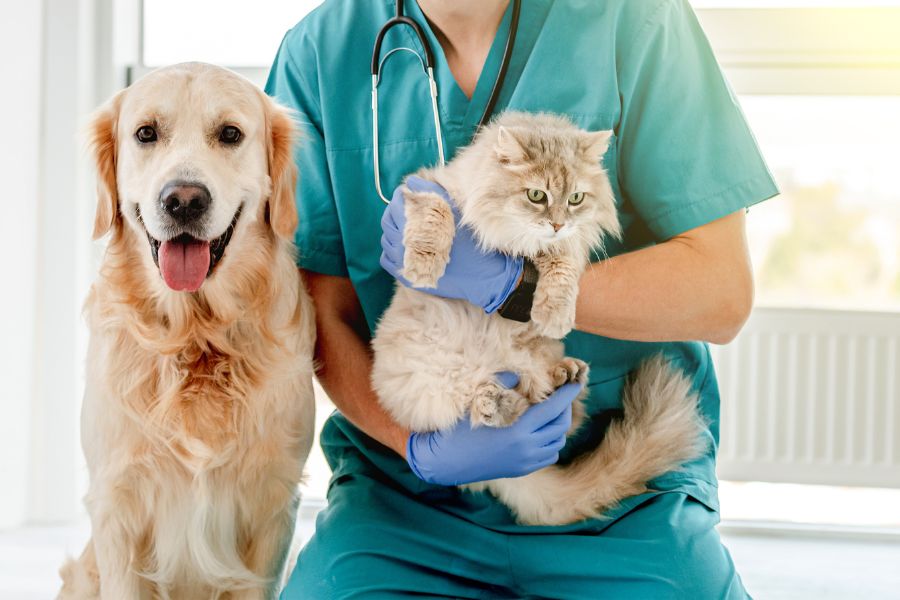
A first vet visit shapes how your pet feels about care for years to come. Preparation reduces stress, saves time, and helps the visit feel calm and useful. This guide explains what to do before, during, and after the appointment, from paperwork to comfort tips.
Pet owners in Palm Desert can follow these steps to feel prepared, ask more informed questions, and establish trust with Palm Desert veterinarians from the start.
Why the First Appointment Matters
Your pet’s first appointment sets expectations. Pets learn whether visits feel safe. You learn how care works and what to watch at home. Clear preparation gives the doctor accurate details and helps spot early concerns. A smooth first visit builds confidence for future care and daily routines.
What to Do Before the Appointment
1. Gather Basic Information
Bring adoption papers, prior records, and any notes from a breeder or shelter. Write down your pet’s age, diet, and habits. Note changes in appetite, sleep, or behavior. Photos of stools or skin can help explain concerns without stress.
2. Choose the Right Time
Pick a time when your pet feels relaxed. Avoid nap times or right after meals. For young pets, shorter waits help. Morning appointments often feel calmer. Plan extra travel time so you arrive without rushing.
3. Prepare a Simple Carrier or Leash Plan
Use a clean carrier for cats and small pets. Leave it open at home so it feels familiar. For dogs, bring a secure leash and a favorite collar. Practice short car rides before the visit to reduce anxiety.
4. Review Diet and Treats
Feed your pet as usual unless told otherwise. Bring a small sample of food and treats. The doctor may ask about ingredients or portions. Consistent feeding helps answers stay clear.
Getting Your Pet Comfortable
1. Practice Gentle Handling
Touch paws, ears, and mouth at home in short sessions. Reward calm behavior. This practice helps your pet accept basic checks during the visit.
2. Bring Familiar Items
Pack a favorite blanket or toy. Familiar smells lower stress. Keep items clean and small to avoid clutter.
3. Stay Calm Yourself
Pets sense tension. Speak softly and move with purpose. Calm owners help pets settle faster.
What to Expect During the Visit
1. A Clear Conversation First
Expect questions about routine, diet, and behavior. Share concerns early. Honest answers guide the exam and advice. Ask for plain explanations if something feels unclear.
2. A Basic Physical Check
The doctor checks weight, eyes, ears, skin, and movement. This overview creates a baseline for future visits. Early notes help track changes over time.
3. Simple Preventive Planning
You may discuss shots, parasite control, and nutrition. Ask what fits your pet’s age and lifestyle. Avoid overload. Focus on the next steps.
After the Appointment
1. Keep Notes
Write down advice and dates. Store records in one place. Consistent notes save time later.
2. Watch Your Pet
Mild tiredness can happen after a visit. Monitor appetite and mood. Call if something feels off. Early contact prevents worry.
3. Build a Routine
Schedule the next visit before leaving. Routine care feels easier when planned. Many Palm Desert veterinarians recommend regular checks to keep pets comfortable and healthy.
Common Mistakes to Avoid
Do not skip meals without guidance. Do not hide concerns to save time. Do not force a nervous pet. Ask for help if stress rises. Small adjustments make visits smoother.
Local Care Perspective
Pet owners in Palm Desert face heat, travel, and busy schedules. Hydration, car safety, and timing matter. A local clinic understands these factors. One trusted option is El Paseo Animal Hospital, which serves families seeking calm, clear care without pressure.
Final Thoughts
Preparation turns a first visit into a positive experience. Clear notes, calm handling, and honest questions help everyone feel at ease. If you are ready to start strong, book an appointment with Palm Desert veterinarians who support your pet’s healthy future.
Frequently Asked Questions(FAQs):
1. How early should I arrive for the first appointment?
A: Arrive ten to fifteen minutes early. This time allows for check-in, paperwork, and a calm start. Early arrival reduces rushing and gives your pet a chance to settle before the exam begins.
2. What should I bring to the first visit?
A: Bring records, a list of questions, and a favorite item. Include diet details and any notes about behavior. These basics help the doctor give clear advice tailored to your pet.
3. How can I help a nervous pet stay calm?
A: Use familiar items, speak softly, and avoid tight handling. Short practice trips help. Calm owners help pets relax and accept gentle checks more easily.
4. Is it okay to ask many questions?
A: Yes. Questions help you understand care at home. Keep them clear and brief. Ask for simple explanations and next steps so you leave confident.
5. What if my pet gets carsick?
A: Avoid feeding right before travel unless told otherwise. Use a secure carrier and open windows slightly. Ask about tips if sickness happens often.
6. How often should follow-up visits happen?
A: Young pets need more frequent checks. Adults often visit yearly. Your doctor suggests a schedule based on age and lifestyle, which helps prevent surprises.