Hablamos Español!
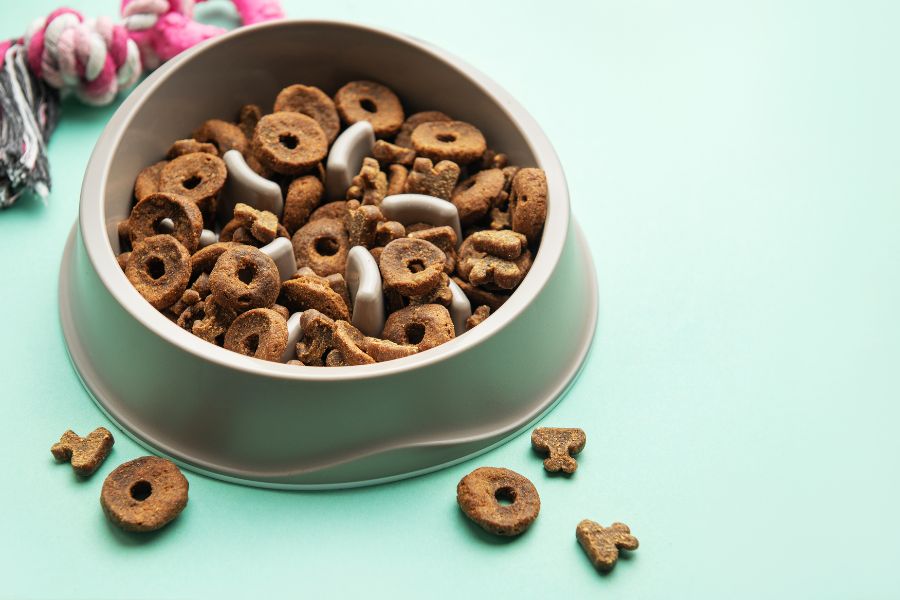
Choosing between wet and dry cat food is not simply a matter of preference. Wet food provides more moisture, while dry food is convenient, easy to portion, and simple to store. Neither format is automatically healthier. The right choice depends on your cat’s age, weight, hydration, appetite, activity, dental health, and medical needs.
A complete and balanced diet, appropriate calories, fresh water, and consistent portions matter more than the format.
Wet vs. Dry Cat Food: The Main Difference
Wet cat food contains far more water than kibble. Dry food contains little moisture but packs more calories into a smaller serving.
Check the label for a nutritional adequacy statement, calorie information, life-stage suitability, and feeding guidance. Marketing terms such as “premium” or “natural” do not guarantee a suitable diet.
Is Wet Food Better for Cats?
Wet food’s biggest advantage is moisture. Cats can have a low thirst drive, so getting water through meals may support hydration.
Soft textures can suit cats with chewing difficulty or reduced appetite.
Open portions need refrigeration and careful handling. Some formulas are calorie-dense, so serving size still matters.
Is Dry Food Better for Cats?
Dry cat food is convenient, easy to measure, store, and use with feeding toys.
Kibble creates tooth contact, but ordinary dry food is not a replacement for dental care and does not reliably remove plaque.
Portion control matters. Free-choice feeding can lead some cats to consume excessive calories. Measured meals are often easier to manage, particularly for indoor cats.
Wet vs. Dry Cat Food for Hydration
Hydration is a major reason owners choose wet food because water is incorporated into the meal.
Some cats may benefit from nutrition plans that support water intake. The appropriate diet depends on the individual cat and should be selected with professional guidance.
Fresh water remains important with every feeding style.
Which Is Better for Weight Management?
Neither food type automatically causes weight gain. Total calorie intake is the key factor. Individual calorie needs can change as your cat ages.
Wet food can provide greater meal volume for fewer calories in some recipes because water adds bulk without calories. Dry food is more calorie-dense, making portion errors significant.
Use package directions as a starting point. Weight, age, activity, and health can change calorie needs. Nutrition and weight management can help establish portions.
Can Cats Eat Both Wet and Dry Food?
Yes. Mixed feeding can combine wet-food moisture with dry-food convenience and add texture variety.
Count calories from both foods. Adding a full wet-food serving to usual kibble can increase daily intake.
Make changes gradually. Sudden switches may cause diarrhea, vomiting, or reduced appetite. Persistent symptoms or major appetite changes warrant professional evaluation.
What About Ingredients and Protein?
Cats are obligate carnivores and need balanced protein, fat, vitamins, minerals, and other nutrients.
Do not judge food solely by its ingredient list. Choose a product labeled complete and balanced for the life stage. Kittens, adults, and older cats can have different needs.
Does Wet Food Help a Cat’s Teeth?
Wet food does not provide the same chewing action as kibble, but ordinary dry food is not a dependable dental-cleaning method either.
Dental health requires plaque control and assessment when needed. Bad breath, red gums, drooling, difficulty chewing, or dropping food can signal a problem. Pet dental services can help identify concerns and guide care.
What Should You Feed a Senior Cat?
Aging can change appetite, activity, hydration, and nutritional needs. A long-standing diet may need adjustment.
Some senior cats need food changes based on health conditions; others may do well with closer monitoring. Senior pet care can help identify changes that should influence feeding decisions.
How to Choose the Right Cat Food
Start with your cat, not the package. Consider:
- Age and life stage
- Weight and body condition
- Activity level
- Water intake
- Food preference
- Dental health
- Digestive tolerance
- Medical needs
- Portion-control routine
A food your cat enjoys, tolerates, and receives in an appropriate amount can be a sensible option. Prescription diets may suit specific conditions. Preventative care can include personalized nutrition and weight guidance.
The Bottom Line: Wet or Dry?
Wet versus dry cat food is not a universal contest. Wet food offers more moisture and a soft texture. Dry food offers convenience, easy storage, and measuring.
Many healthy cats can thrive on either format when the food is complete and balanced, and calories are appropriate. A combination can work, too. Your cat’s hydration, health, preferences, and nutritional needs should drive the decision.
If you are unsure, book an appointment to discuss nutrition, weight, hydration, and age-related needs.
Frequently Asked Questions(FAQs):
Is wet food healthier than dry food for cats?
Not automatically. Wet food provides more moisture, while dry food is convenient and calorie-dense. Health depends on diet quality, portions, life stage, hydration, preferences, and any medical needs your cat may have.
Can cats eat only dry food?
Yes, many cats can eat a complete and balanced dry diet. Fresh water should always be available. Portion control matters because dry food is calorie-dense. Your cat’s health should guide the choice.
Can cats eat only wet food?
Yes, a complete and balanced wet diet can meet nutritional needs when fed in appropriate amounts. Wet food can increase water intake. Calories, life stage, health, and portions still matter.
Is it okay to mix wet and dry cat food?
Yes. Mixed feeding can provide moisture, variety, and convenience. Count calories from both foods rather than adding one on top of the other. Introduce changes gradually to reduce digestive upset.
Does dry food clean cats’ teeth?
Regular kibble should not be considered a reliable dental-cleaning method. Dental care involves plaque control, suitable home care, professional evaluation, and, when recommended, specially formulated dental diets or products.
How do I know which cat food is right?
Choose complete and balanced food appropriate for your cat’s life stage. Consider calories, hydration, appetite, weight, health, and tolerance. A nutrition discussion during a wellness visit can help personalize the feeding plan.