Hablamos Español!
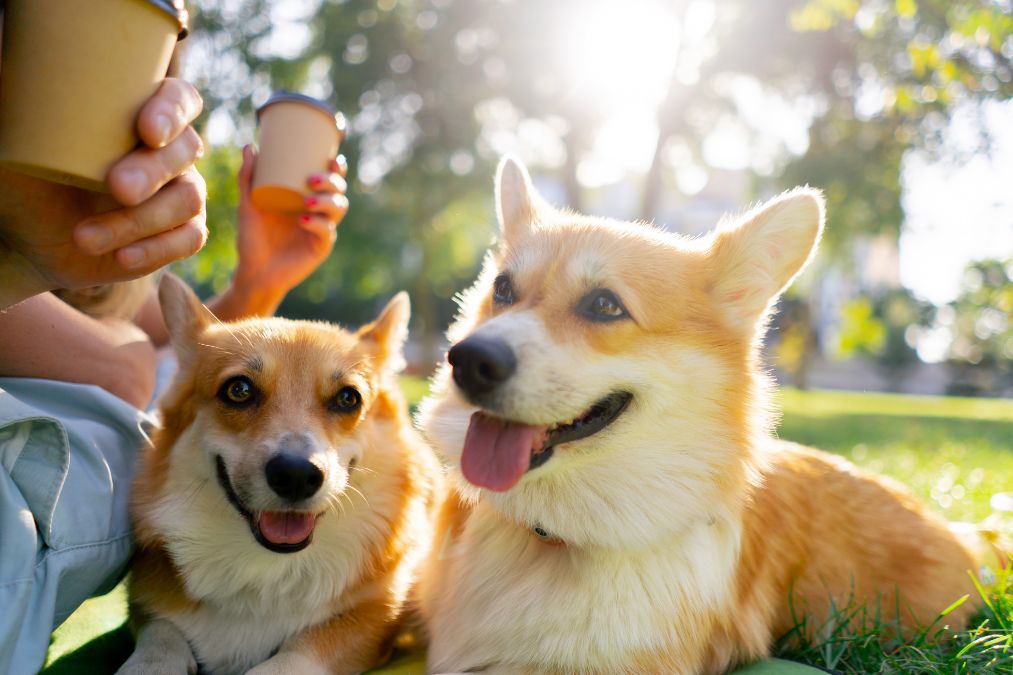
Summer brings sunshine, outdoor fun, and longer days, but it also introduces risks that can affect your pet’s comfort and health. From rising temperatures and hot pavement to dehydration and seasonal pests, pet owners need to stay proactive.
This guide shares practical summer safety tips for pets, including hydration strategies, safe exercise routines, grooming advice, and warning signs to watch for. You will also learn how local climate conditions influence your pet’s needs and what steps to take to prevent common seasonal issues.
Whether you are planning outdoor activities or staying indoors, these tips help you create a safe and enjoyable summer experience for your companion in Palm Desert.
Why Summer Care Matters for Pets
Pets experience heat differently from humans. Dogs and cats cannot regulate body temperature as efficiently, which makes them more vulnerable to overheating. High temperatures, dry air, and intense sunlight can quickly lead to discomfort or serious health concerns.
In warmer regions like Palm Desert, where temperatures often rise above safe limits, even short outdoor exposure can become dangerous. Understanding how heat affects your pet allows you to make better daily decisions.
Keep Your Pet Hydrated
1. Fresh Water Is Essential
Always provide clean, cool water throughout the day. Place multiple water bowls around your home to encourage frequent drinking. When outdoors, carry a portable water bottle designed for pets.
2. Add Moisture to Meals
Mixing a small amount of water into dry food can help increase hydration levels. This simple step supports pets that may not drink enough on their own.
3. Watch for Dehydration Signs
Look for dry gums, reduced energy, or excessive panting. These signs indicate your pet needs immediate attention and more fluids.
Safe Outdoor Activities
1. Choose the Right Time
Walk your dog early in the morning or later in the evening when temperatures are lower. Midday heat can cause overheating and discomfort.
2. Test Pavement Temperature
Hot surfaces can burn your pet’s paws. Place your hand on the pavement for a few seconds. If it feels too hot for you, it is unsafe for your pet.
3. Provide Shade
Ensure shaded areas are available if your pet spends time outside. Trees, umbrellas, or covered patios help reduce direct sun exposure.
Grooming and Coat Care
1. Regular Brushing
Brushing removes excess fur and improves airflow through your pet’s coat. This helps regulate body temperature naturally.
2. Avoid Over-Shaving
A pet’s coat offers protection against sunburn and heat. Consult a professional groomer before making major changes to your pet’s fur length.
3. Clean and Check Skin
Inspect your pet’s skin for irritation, redness, or pests. Early detection prevents discomfort and more serious issues.
Protect Against Heat-Related Risks
1. Recognize Heat Exhaustion
Signs include heavy panting, drooling, weakness, or vomiting. Move your pet to a cool area immediately and offer water.
2. Never Leave Pets in Cars
Even with windows slightly open, temperatures inside a car rise rapidly. This can become life-threatening within minutes.
3. Use Cooling Solutions
Cooling mats, damp towels, or shaded rest areas can help your pet stay comfortable during hot days.
Indoor Comfort and Safety
1. Maintain a Cool Environment
Use fans or air conditioning to keep indoor spaces comfortable. Pets should always have access to a cool resting area.
2. Limit Intense Play
High-energy activities can increase body temperature quickly. Opt for calm indoor games during peak heat hours.
3. Create a Relaxing Space
Provide soft bedding in a shaded, quiet area. This allows your pet to rest without exposure to heat or stress.
Seasonal Pests and Prevention
1. Watch for Fleas and Ticks
Warm weather increases the presence of parasites. Check your pet regularly, especially after outdoor activities.
2. Maintain Clean Spaces
Keep bedding, toys, and living areas clean to reduce the risk of infestations.
3. Stay Consistent with Preventive Care
Routine preventive measures protect your pet from common summer pests and related issues.
Travel and Outdoor Adventures
1. Plan Ahead
Carry water, snacks, and a portable bowl when traveling with your pet. Preparation ensures comfort during outings.
2. Avoid Overexertion
Take breaks during walks or hikes. Monitor your pet’s behavior to prevent fatigue or overheating.
3. Keep Identification Updated
Ensure your pet’s tags and identification details are current in case they wander during outdoor activities.
When to Seek Professional Help
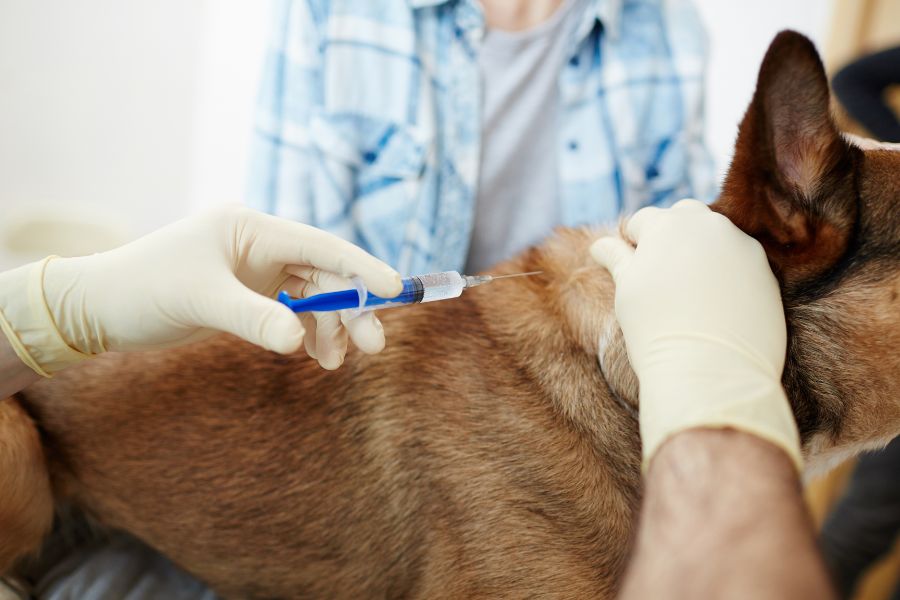
If your pet shows unusual symptoms such as persistent lethargy, loss of appetite, or signs of heat stress, consult a veterinarian near you. Early attention helps prevent complications and ensures your pet’s safety during the warmer months.
Conclusion
Caring for your pet during summer requires attention, preparation, and simple daily adjustments. By following these summer safety tips for pets, you create a safer and more enjoyable environment for your furry companion. Focus on hydration, temperature control, and mindful outdoor activities to reduce risks. If you notice any unusual changes in behavior or health, take action promptly to protect your pet’s well-being.
Your pet depends on you for comfort and care during the hottest months. Stay observant, make thoughtful choices, and prioritize safety in every situation. When in doubt, professional guidance ensures peace of mind and better outcomes for your companion. Book an appointment today to ensure your pet is ready for the season ahead.
Reach out to our Palm Desert facility at 72608 El Paseo Ste 4, Palm Desert, CA 92260—where compassionate care and community come together for your pet’s well-being.
Frequently Asked Questions(FAQs):
1. What temperature is too hot for pets?
A: Temperatures above 85°F can be risky, especially with humidity. Pets can overheat quickly in these conditions. Limit outdoor time and always provide shade and water to reduce heat-related risks.
2. How can I keep my pet cool without air conditioning?
A: Use fans, cooling mats, and shaded areas. Keep curtains closed during peak sunlight hours. Offer chilled water and avoid intense activity. These steps help maintain a comfortable indoor environment for your pet.
3. Can pets get sunburned?
A: Yes, pets with light-colored or thin fur are more vulnerable. Areas like the nose and ears are especially sensitive. Limit direct sun exposure and provide shaded areas during outdoor time.
4. How often should I walk my dog in summer?
A: Walk your dog once or twice daily during cooler hours. Early mornings and evenings are ideal. Adjust the duration based on your pet’s breed, age, and energy level to avoid overheating.
5. What are the signs of heatstroke in pets?
A: Common signs include excessive panting, drooling, vomiting, and weakness. Immediate cooling and hydration are essential. Seek professional care if symptoms do not improve quickly.
6. Do pets need different diets in summer?
A: Pets may eat less during hot weather. Ensure they stay hydrated and maintain a balanced diet. Light, moisture-rich meals can help support their energy and hydration levels.