
Hablamos Español!
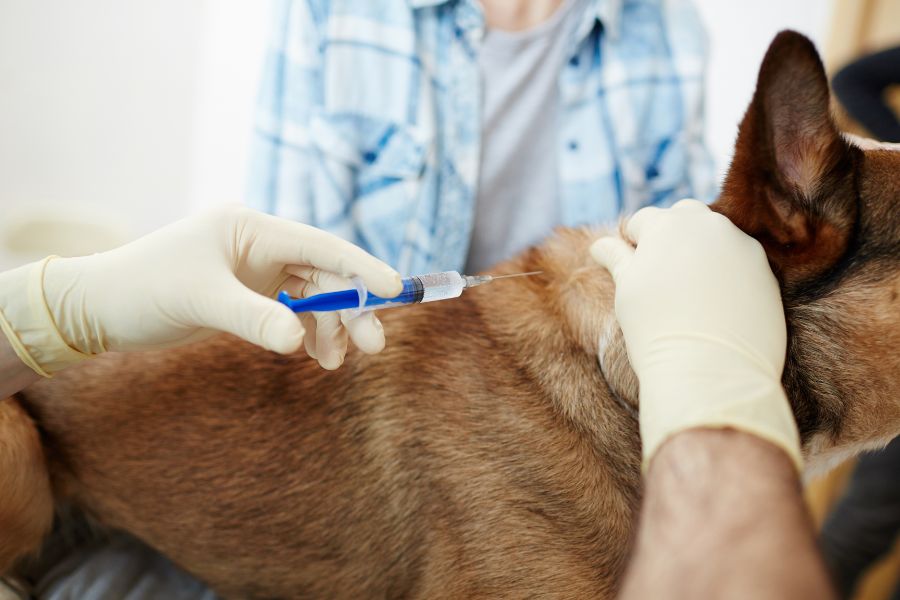
Bringing a dog into your life means taking on a promise. You promise to feed them well, give them a safe home, and protect them from preventable illness. Vaccination is one of the most reliable ways to keep that promise.
If you’ve ever looked at a vaccine schedule and felt unsure about what your dog truly needs, you’re not alone. Many pet parents ask the same questions: Which shots are essential? Are they safe? How often does my dog need them?
This guide breaks down core vaccines for dogs in clear, everyday language. By the end, you’ll understand what they protect against, why they matter, and how to make confident decisions for your dog’s health.
What Are Core Vaccines for Dogs?
Core vaccines for dogs are the vaccines recommended for all dogs, regardless of breed, size, or lifestyle. They protect against diseases that are:
- Severe or life-threatening
- Highly contagious
- Common across the United States
- Transmissible to humans in some cases
Veterinary organizations across the country agree on which vaccines fall into this category. These vaccines form the foundation of your dog’s protection plan.
Why Core Vaccines Matter
Some of the diseases covered by core vaccines for dogs can spread quickly in dog parks, boarding facilities, shelters, and even neighborhoods. Others can live in soil or wildlife and infect dogs who rarely leave home.
Vaccination does three important things:
- Protects your individual dog
- Reduces the spread of disease in the community
- Helps prevent outbreaks in high-risk areas
When enough dogs are vaccinated, it lowers the overall risk for vulnerable pets, including puppies and seniors.
The Core Vaccines Every Dog Should Receive
Let’s look at each of the core vaccines for dogs and what they protect against.
1. Rabies Vaccine
Rabies is a fatal virus that attacks the nervous system. It can infect dogs, wildlife, and humans. In most states, rabies vaccination is required by law.
Why it matters:
Rabies spreads through bites from infected animals such as raccoons, bats, or foxes. Once symptoms appear, there is no cure.
Schedule:
- First dose at 12–16 weeks of age
- Booster one year later
- Then every 1–3 years, depending on local law and vaccine type
If your dog spends time outdoors, even in a fenced yard, rabies protection is essential.
2. Distemper Vaccine
Canine distemper is a serious viral disease that affects the respiratory, digestive, and nervous systems.
Symptoms may include:
- Fever
- Coughing
- Vomiting or diarrhea
- Seizures
Distemper spreads through the air and through contact with infected animals. It has a high mortality rate in unvaccinated dogs.
3. Parvovirus Vaccine
Parvovirus is highly contagious and especially dangerous for puppies.
Common signs:
- Severe vomiting
- Bloody diarrhea
- Extreme weakness
- Dehydration
Parvo can live in the environment for months. Dogs can pick it up from contaminated soil, surfaces, or contact with infected dogs.
Without treatment, parvovirus can be fatal. Even with treatment, recovery can be intense and costly.
4. Adenovirus (Canine Hepatitis) Vaccine
Canine adenovirus protects against infectious hepatitis, a viral disease that affects the liver, kidneys, and blood vessels.
Symptoms may include:
- Fever
- Abdominal pain
- Vomiting
- Jaundice
Vaccination has made this disease far less common in the U.S., but it still exists.
What Is the DHPP Vaccine?
You may hear your veterinarian mention the “DHPP” or “DA2PP” vaccine. This is a combination shot that includes protection against:
- Distemper
- Hepatitis (adenovirus)
- Parvovirus
- Parainfluenza (often included, though not always classified as core)
Combination vaccines reduce the number of injections your dog receives while still covering major diseases.
When Should Puppies Receive Core Vaccines?
Puppies are not born fully protected. They receive temporary antibodies from their mother, but those fade over time.
Typical Puppy Schedule
- 6–8 weeks: First DHPP
- 10–12 weeks: Booster DHPP
- 14–16 weeks: Final DHPP
- 12–16 weeks: Rabies
Puppies need a series because their immune systems are still developing. Skipping boosters can leave gaps in protection.
Until your puppy completes the series of core vaccines for dogs, avoid high-risk areas like dog parks and pet stores.
What About Adult Dogs?
Adult dogs also need protection.
If your dog was vaccinated as a puppy, boosters are usually given:
- One year after the initial series
- Every 1–3 years after that
If you adopt an adult dog with an unknown vaccine history, your veterinarian may recommend restarting core vaccines for dogs to ensure full protection.
Are Core Vaccines Safe?
Most dogs handle vaccines very well. Mild side effects can include:
- Slight soreness at the injection site
- Low energy for a day
- Mild fever
These signs usually resolve within 24–48 hours.
Serious reactions are rare but can include facial swelling, vomiting, or hives. If you notice unusual symptoms after vaccination, contact your veterinarian right away.
The risk of disease in unvaccinated dogs is far greater than the risk of a vaccine reaction.
How Core Vaccines Fit Into Pet Preventive Care
Vaccination is one part of a complete health plan. Regular checkups, parasite control, dental care, and nutrition all play a role in keeping your dog healthy.
Core vaccines for dogs work best when combined with routine exams. During those visits, your veterinarian can assess:
- Lifestyle risks
- Local disease trends
- Travel plans
- Boarding or daycare exposure
This broader approach is often referred to as pet preventive care, and it ensures your dog’s health plan matches their daily life.
Lifestyle and Risk: Does Every Dog Need the Same Plan?
Core vaccines for dogs are recommended for all dogs, but timing and boosters can vary slightly based on:
- Age
- Health status
- Travel
- Exposure to wildlife
- Local state laws
For example, a dog that hikes in wooded areas may face higher wildlife exposure than a dog that lives in a high-rise apartment.
Open conversations with your veterinarian help tailor a plan that makes sense for your dog’s real-world risks.
Common Myths About Core Vaccines
My Dog Stays Indoors, So Vaccines Aren’t Needed.
Viruses like parvovirus can enter your home on shoes or clothing. Rabies exposure can happen through wildlife entering yards or garages.
Indoor dogs still need protection.
Too Many Vaccines Are Harmful.
Vaccines are carefully studied and tested. Core vaccines for dogs are given on schedules that balance protection with safety.
Your veterinarian will not recommend unnecessary vaccines.
Natural Immunity Is Better.
Natural infection with diseases like parvovirus or distemper can be deadly. Vaccination builds immunity without exposing your dog to life-threatening illness.
Questions to Ask Your Veterinarian
To make informed decisions, consider asking:
- Is my dog up to date on core vaccines?
- When is the next booster due?
- Are there local outbreaks I should know about?
- Should my dog receive any non-core vaccines based on lifestyle?
Clear answers help you feel confident about your dog’s care.
Conclusion: Making the Right Choice for Your Dog
Core vaccines for dogs protect against some of the most dangerous and preventable diseases your pet could face. They reduce suffering, prevent costly treatments, and protect public health.
As a pet parent, you don’t have to guess. A thoughtful conversation with your veterinarian helps you understand what your dog needs and when.
If your dog is due for vaccines or you are unsure about their current status, now is the time to take action. Review your records, ask questions, and schedule a consultation with us to ensure your dog stays protected year-round.
FAQs About Core Vaccines for Dogs
1. What are the core vaccines for dogs?
A: They include rabies, distemper, parvovirus, and adenovirus (hepatitis). These protect against serious, widespread diseases.
2. How often do dogs need core vaccines?
A: Puppies receive a series. Adult dogs typically need boosters every 1–3 years, depending on the vaccine and local regulations.
3. Are core vaccines required by law?
A: Rabies vaccination is legally required in most U.S. states. Other core vaccines are strongly recommended for health protection.
4. Can older dogs skip vaccines?
A: Senior dogs still need protection. Your veterinarian may adjust the schedule based on health status.
5. What happens if my dog misses a booster?
A: Your veterinarian may recommend restarting or boosting the vaccine to restore protection.
6. Do core vaccines protect immediately?
A: It takes about one to two weeks after vaccination for the immune system to build protection.