Hablamos Español!
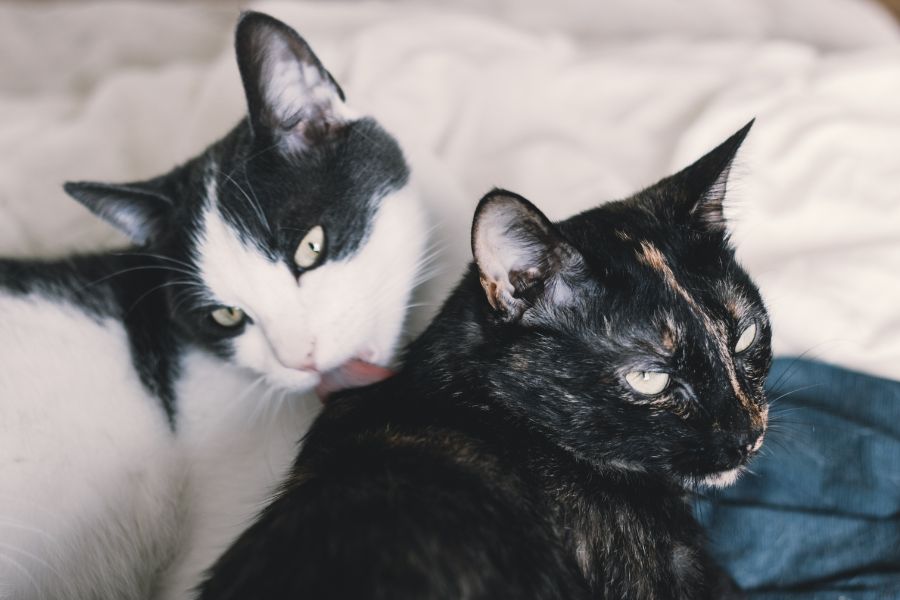
Living with cat allergies does not always mean giving up on having a feline companion. Many people experience mild to moderate reactions and still successfully share their homes with cats that produce fewer allergens.
This guide explains what makes certain cats easier to tolerate, highlights vet-recommended options, and offers practical care tips for allergy-sensitive households. You will also learn how lifestyle habits can make a real difference in comfort levels. For residents exploring pet ownership in Palm Desert, this overview provides a clear starting point.
What Makes a Cat “Hypoallergenic”?
No cat is completely allergen-free. Reactions are usually triggered by a protein found in saliva, skin oils, and dander. Some cats produce less of this protein or shed less, which reduces exposure. Coat type, grooming habits, and even personality traits can influence how allergens spread in a home.
Shorter coats do not always mean fewer allergens. Some long-haired breeds shed less and release fewer particles into the environment. Regular grooming, air filtration, and consistent cleaning habits play a major role in managing symptoms.
Top Vet-Recommended Breeds
1. Siberian
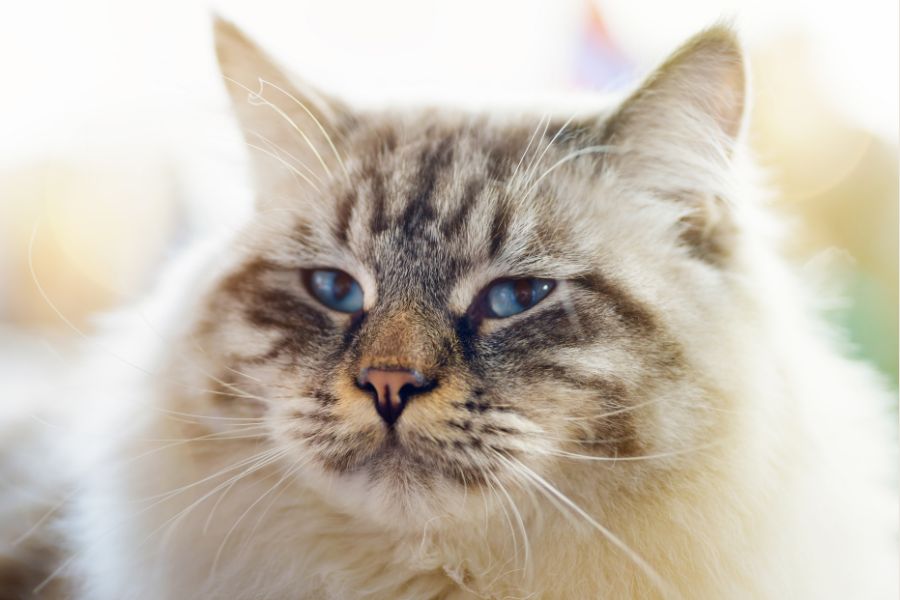
The Siberian often surprises people. Despite its thick coat, it tends to produce lower levels of allergen proteins. Many allergy-sensitive households report fewer reactions with this breed.
Siberians are affectionate and adaptable. They enjoy interactive play and form strong bonds with families. Their calm nature makes them suitable for homes with children or other pets.
2. Balinese
Often called the “long-haired Siamese,” the Balinese produces less of the protein that commonly triggers allergies. Their silky coat requires less maintenance than expected.
These cats are vocal, intelligent, and social. They thrive in homes where they receive attention and stimulation. Puzzle toys and climbing structures help keep them engaged.
3. Bengal
Bengals have a short, dense coat that requires minimal grooming. Their fine fur reduces the spread of dander in the home.
They are energetic and curious. Bengals need space to climb and explore. They suit active households willing to invest time in play and enrichment.
4. Russian Blue
The Russian Blue has a plush, double-layer coat that traps allergens closer to the skin rather than releasing them into the air.
This breed is gentle and somewhat reserved. They prefer quiet environments and consistent routines. Their low-shedding coat makes them a popular choice for allergy-conscious homes.
5. Devon Rex
With its short, wavy coat, the Devon Rex sheds less than many other breeds. This reduces the amount of dander circulating in living spaces.
Devon Rex cats are playful and affectionate. They enjoy being close to their owners and often seek warmth and companionship. Their unique appearance adds to their appeal.
6. Sphynx
The Sphynx is hairless, which limits the spread of fur-based allergens. However, regular skin cleaning is necessary because oils can accumulate.
These cats are highly social and thrive on human interaction. Their need for regular bathing makes them better suited for owners who can commit to routine care.
Choosing the Right Cat for Your Home
Selecting the right cat involves more than breed alone. Individual sensitivity levels vary. Spending time with a cat before adoption can help assess your reaction.
Consider your home environment. Smaller apartments may suit calmer breeds. Larger homes with outdoor enclosures can accommodate more active cats. Family dynamics, work schedules, and grooming commitment should also guide your decision.
Many shelters and breeders now allow trial interactions. This approach offers a realistic understanding of how a specific cat fits into your daily life.
Managing Allergies at Home
Even with lower-allergen cats, daily habits matter. Clean living spaces reduce allergen buildup. Vacuuming with a HEPA filter, washing bedding frequently, and limiting the cat’s access to sleeping areas can help.
Handwashing after handling your pet minimizes exposure. Air purifiers can improve indoor air quality. Grooming your cat regularly also reduces loose hair and dander.
Diet and hydration influence skin health, which affects allergen production. Regular check-ups ensure your cat remains healthy and comfortable.
Are Hypoallergenic Cats Right for You?
Owning a cat while managing allergies requires realistic expectations. Some individuals may still experience mild symptoms. Others may find significant relief with the right breed and proper home care.
Testing your tolerance before adoption remains one of the most effective steps. A thoughtful approach helps ensure both you and your future pet enjoy a comfortable living environment.
The goal is not complete elimination of allergens but manageable exposure. With planning and care, many households successfully adapt.
Local Considerations for Pet Owners
Palm Desert’s warm climate can influence pet care routines. Indoor living is often recommended during peak heat hours. Air conditioning and proper hydration keep cats comfortable and reduce stress-related shedding.
Local pet owners often benefit from establishing a consistent grooming routine due to dry conditions. This helps maintain skin health and reduces allergen spread.
If you’re located in Palm Desert and looking for trusted veterinary care near you, then schedule an appointment with El Paseo Animal Hospital to learn more about maintaining your cat’s comfort and overall well-being through every stage of life.
Conclusion
Choosing among hypoallergenic cat breeds can make a meaningful difference for allergy-sensitive households. Careful selection, proper grooming, and thoughtful home management all contribute to a better experience. Each cat has unique traits, so personal interaction remains essential before committing.
With the right approach, many families successfully enjoy life with a feline companion. We are conveniently located in Palm Desert, CA. Reach out to our facility at 72608 El Paseo Ste 4, Palm Desert, CA 92260 – where compassionate care and community come together for your pet’s well-being.
Frequently Asked Questions(FAQs):
1. What are hypoallergenic cat breeds?
A: Hypoallergenic cat breeds are cats that tend to produce fewer allergens compared to others. They may shed less or produce lower levels of allergen proteins, making them more suitable for people with mild sensitivities.
2. Can I completely avoid allergies with these cats?
A: No breed is entirely allergen-free. These cats reduce exposure but do not eliminate it. Individual reactions vary, so spending time with a specific cat before adoption is important for understanding your tolerance level.
3. Are hairless cats better for allergies?
A: Hairless cats like the Sphynx reduce fur-related allergens. Skin oils can still trigger reactions. Regular cleaning is necessary to manage buildup and maintain comfort for both the cat and the owner.
4. How can I reduce allergens at home?
A: Frequent cleaning, air purifiers, and regular grooming help lower allergen levels. Washing bedding and limiting access to certain areas also reduce exposure. Consistent routines make a noticeable difference over time.
5. Do diet and health affect allergens?
A: Yes, a healthy diet supports skin condition and reduces shedding. Hydration and regular check-ups contribute to overall wellness, which can influence how much dander and allergens a cat produces.
6. Is adoption better than buying for allergy sufferers?
A: Both options can work. Shelters may allow interaction before adoption, which helps assess reactions. Responsible breeders may also provide opportunities to meet kittens and evaluate compatibility before making a decision.