Hablamos Español!
A shredded couch or scratched table leg can feel frustrating, especially when you want a peaceful home. The good news is that your cat is not misbehaving out of spite. Scratching is natural, necessary, and healthy for cats. Once you understand why it happens, you can guide your cat toward better habits without stress or punishment.
This guide breaks down why cats scratch furniture and how to stop cats from scratching furniture using clear, practical steps. With patience and the right approach, you can protect your home and keep your cat happy.
Why Do Cats Scratch Furniture?
Before solving the problem, it helps to understand the behavior. Scratching is not random. It serves several important purposes in a cat’s daily life.
1. Claw Maintenance
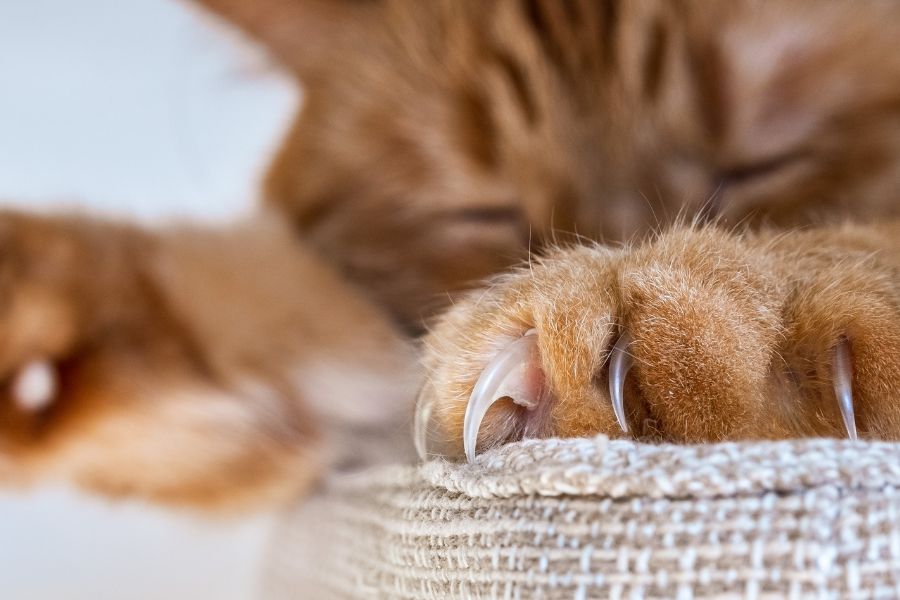
Cats scratch to remove the outer layer of their claws. This keeps their claws sharp and healthy. Furniture often becomes the target because it provides the right resistance.
2. Marking Territory
Cats have scent glands in their paws. When they scratch, they leave both a visual mark and a scent signal. This helps them feel secure in their space.
3. Stretching and Exercise
Scratching gives cats a full-body stretch. It works their shoulders, legs, and back muscles. Your couch may simply be the most convenient “gym” available.
4. Stress Relief
Changes in the home, new pets, or even boredom can increase scratching. It becomes a way for cats to release tension.
5. Preference for Texture and Location
Cats often choose furniture because it feels good under their claws. Soft wood, fabric, and upholstery are especially appealing. Placement matters too—cats prefer areas where they spend time or where you gather.
How to Stop Cats from Scratching Furniture
The goal is not to stop scratching altogether. It is to redirect the behavior to appropriate surfaces. Here is a clear, step-by-step approach.
1. Provide the Right Scratching Options
If your cat is scratching furniture, it may be because they do not have a better option.
What works best:
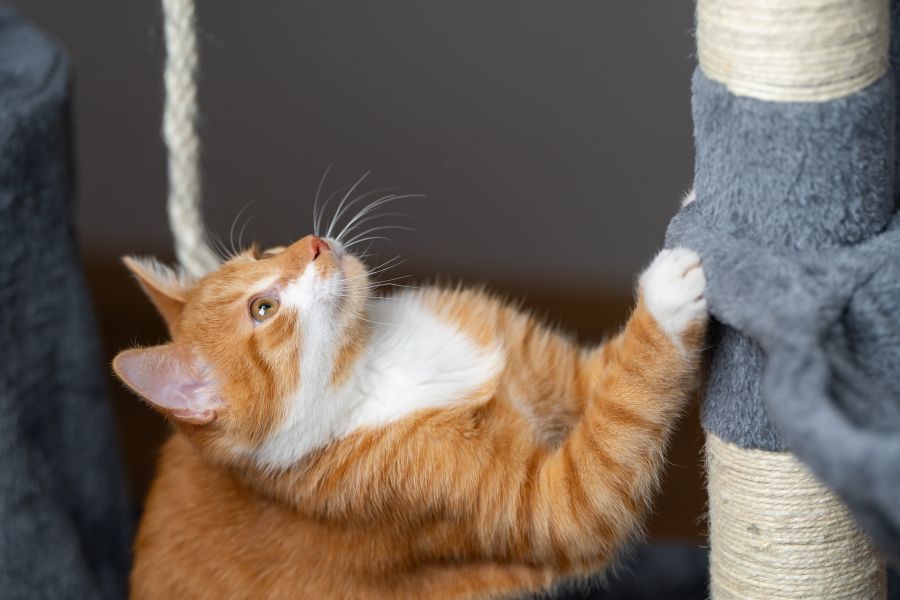
- Vertical scratching posts for cats who stretch upward
- Horizontal scratchers for cats who prefer floor-level scratching
- Materials like sisal, cardboard, or natural wood
Place these options close to where your cat already scratches. If your cat targets the couch arm, put a scratching post right next to it.
2. Make Furniture Less Appealing
While you encourage good behavior, you can also discourage unwanted scratching.
Simple methods:
- Use double-sided tape or furniture protectors
- Cover areas with a throw blanket or slipcover
- Rearrange furniture temporarily to break the habit
Cats avoid sticky or unfamiliar textures, which helps shift their focus.
3. Use Positive Reinforcement
Reward your cat when they use the right scratching surface.
Try this:
- Offer treats immediately after they use the post
- Use a calm, encouraging voice
- Add catnip to scratching posts to make them more appealing
Consistency matters. Cats learn through repetition and reward.
4. Trim Your Cat’s Nails Regularly
Shorter nails reduce damage and make scratching less destructive.
Tips:
- Trim every 2–3 weeks
- Use proper pet nail clippers
- Go slowly and keep sessions calm
If you are unsure how to trim safely, a veterinary team can guide you.
5. Address Stress or Environmental Triggers
If scratching suddenly increases, look for changes in your cat’s environment.
Common triggers:
- Moving to a new home
- New pets or family members
- Changes in routine
Provide safe spaces, maintain a routine, and offer enrichment like toys and playtime.
6. Avoid Punishment
Punishing your cat does not solve the problem. It can lead to fear, anxiety, and more unwanted behavior.
Instead, focus on:
- Redirection
- Positive reinforcement
- Environmental adjustments
How to Stop Cats from Scratching Furniture Long-Term
Short-term fixes help, but lasting results come from building habits.
1. Create a Scratching Routine
Encourage your cat to use scratching posts during natural activity times:
- After waking up
- After meals
- During play sessions
This helps turn scratching into a predictable, positive behavior.
2. Rotate and Refresh Scratching Surfaces
Cats can lose interest over time. Keep things engaging by:
- Moving posts to new locations
- Introducing new textures
- Refreshing worn-out scratchers
3. Combine Play with Training
Interactive play reduces boredom and stress. A tired cat is less likely to scratch out of frustration.
Use toys that mimic prey, such as feather wands or moving objects. End play sessions near a scratching post to encourage its use.
When Scratching Becomes a Bigger Concern
Sometimes scratching may signal more than a habit.
Watch for Signs Like:
- Sudden increase in destructive behavior
- Aggression or anxiety
- Changes in appetite or activity
In these cases, a professional evaluation helps rule out medical or behavioral concerns. If you notice these signs, it may be time to visit our website for guidance on when veterinary care is needed and how to support your cat’s well-being.
Creating a Calm Home Environment
A calm environment reduces unwanted behaviors.
Build a Cat-Friendly Space
- Provide climbing areas and perches
- Offer quiet resting spots
- Maintain a consistent daily routine
Reduce Competition
In multi-cat homes, ensure each cat has access to their own:
- Scratching posts
- Food and water
- Resting areas
This prevents stress-related scratching.
Common Mistakes to Avoid
Understanding what not to do is just as important.
- Declawing: This is a surgical procedure that can cause long-term pain and behavioral issues
- Using harsh deterrents: Loud noises or sprays can increase fear
- Ignoring the problem: Scratching habits can become harder to change over time
A balanced, consistent approach works best.
Conclusion: A Calm Home Is Possible
Scratching is part of your cat’s nature, but it does not have to damage your home. When you understand why it happens and take clear, consistent steps, you can guide your cat toward better habits.
Start with simple changes—add the right scratching surfaces, reward positive behavior, and make furniture less appealing. Over time, these small steps create lasting results.
If scratching is linked to stress or health concerns, professional support can make a difference. You can book an appointment with a trusted veterinary team to ensure your cat’s behavior and overall health are on the right track.
A calm home and a happy cat can exist together—with the right approach, you can have both.
Frequently Asked Questions(FAQs):
1. Why does my cat scratch furniture even with a scratching post?
Your cat may not like the post’s texture, height, or location. Try different types and place them near the problem area.
2. How long does it take to stop a cat from scratching furniture?
It varies. With consistent training and the right setup, many cats improve within a few weeks.
3. Are scratching deterrent sprays effective?
Some cats respond to them, but they work best when combined with proper scratching alternatives.
4. Can kittens be trained not to scratch furniture?
Yes. Start early with proper scratching options and positive reinforcement to build good habits.
5. Is nail trimming enough to stop scratching damage?
It helps reduce damage but does not address the behavior. Training and redirection are still needed.
6. When should I seek professional help?
If scratching is excessive, sudden, or paired with other behavior changes, consult a veterinarian or behavior expert.