Hablamos Español!
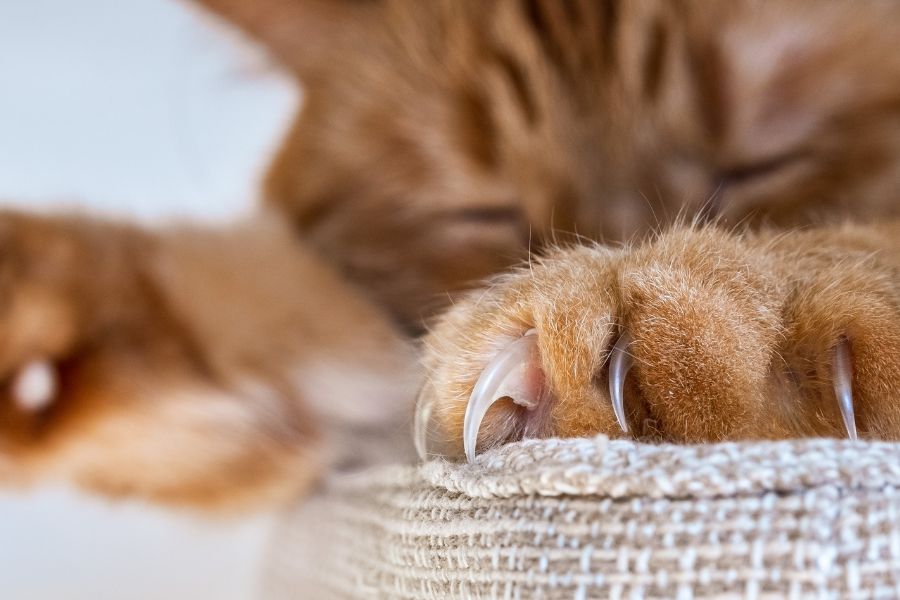
As cats grow older, many aspects of their health begin to change, including their claws. Senior cats often experience thicker nails, reduced mobility, slower grooming habits, and an increased risk of overgrown or ingrown claws. These changes can affect comfort, movement, and overall quality of life. Regular claw care becomes an important part of keeping aging cats healthy and pain-free.
In this guide, you’ll learn why senior cat claw care matters, how claws change with age, common nail problems in older cats, warning signs to watch for, and how professional care helps prevent complications. You’ll also discover practical tips for maintaining healthy claws at home and when it’s time to seek expert help.
Why Claw Care Becomes More Important for Senior Cats
Healthy claws support balance, mobility, stretching, and natural behaviors. Young cats often keep their nails trimmed through climbing, scratching, and routine activity. Senior cats tend to be less active, which reduces natural nail wear.
Aging can also bring arthritis, joint stiffness, obesity, and other conditions that make grooming difficult. As a result, claws may become excessively long, curved, brittle, or thickened. Without proper care, these changes can lead to discomfort and injuries.
Regular senior cat claw care helps prevent painful nail problems and supports better mobility throughout your cat’s golden years.
How Cat Claws Change With Age
1. Thicker and Harder Nails
Older cats commonly develop thicker claws due to changes in nail growth and reduced natural wear. These thicker nails can be more difficult to trim at home and may become prone to splitting.
2. Faster Nail Overgrowth
Many senior cats experience excessive nail growth because they spend less time scratching surfaces. Nails that are not trimmed regularly can become excessively long and curl inward.
3. Increased Risk of Ingrown Claws
One of the most common senior cat nail problems is an ingrown claw. Curved nails may grow into the paw pad, causing pain, swelling, infection, and difficulty walking.
4. Brittle or Cracked Claws
Aging can affect claw quality. Some senior cats develop brittle nails that crack, peel, or split more easily. This can create discomfort and increase the risk of injury.
Common Claw Problems in Older Cats
1. Overgrown Cat Claws
Overgrown claws can catch on carpets, bedding, and furniture. This may lead to torn nails or accidental injuries.
2. Ingrown Nails
When a nail curves into the paw pad, it can create an open wound and significant discomfort. Early detection is important to avoid infection.
3. Broken or Torn Claws
Senior cats with brittle nails are more likely to experience claw fractures or tears. These injuries can be painful and may require professional treatment.
4. Reduced Mobility
Long nails can alter a cat’s posture and walking pattern. This may worsen mobility issues in cats already dealing with arthritis or joint pain.
Signs Your Senior Cat Needs Claw Attention
Cat owners should check their senior pet’s paws regularly. Watch for these signs:
- Nails visibly touching the floor
- Curved claws growing toward the paw pad
- Limping or reluctance to walk
- Excessive licking of the paws
- Swelling or redness around the nails
- Nails snagging on fabrics
- Difficulty jumping or climbing
- Changes in grooming habits
Prompt attention to these signs can help prevent more serious complications.
How Vets Manage Senior Cat Claw Care
Professional claw care provides a safe solution for cats that struggle with nail maintenance.
1. Routine Nail Trimming
Regular nail trims help keep claws at a healthy length and reduce the risk of overgrowth. Professionals use proper techniques that minimize stress and discomfort.
2. Paw and Nail Examinations
During wellness visits, the paws and claws are carefully evaluated for signs of infection, injury, ingrown nails, or underlying health concerns.
3. Managing Ingrown Claws
If a claw has penetrated the paw pad, treatment focuses on safely removing the affected nail, addressing any wounds, and preventing infection.
4. Addressing Mobility Issues
Cats with arthritis or other age-related conditions may receive recommendations that support easier movement and better claw health.
5. Preventive Care Guidance
Pet owners receive personalized advice regarding trimming schedules, scratching surfaces, and at-home monitoring.
For ongoing support, professional cat wellness exams can help identify claw-related issues before they become serious.
At-Home Senior Cat Nail Care Tips
1. Check Claws Frequently
Inspect your cat’s nails every two to four weeks. Frequent checks help identify overgrowth before problems develop.
2. Create Comfortable Scratching Areas
Provide scratching posts and scratching pads that are easy for older cats to access. This encourages natural nail maintenance.
3. Trim Nails Consistently
Many senior cats benefit from more frequent trimming than younger cats. Short, routine sessions are often easier than waiting until nails become excessively long.
4. Watch for Arthritis Symptoms
Cats with arthritis may stop grooming their paws effectively. Reduced grooming often contributes to nail problems.
5. Keep Your Cat at a Healthy Weight
Excess weight places additional strain on aging joints and can make self-care more difficult.
Preventing Future Claw Problems
Preventive care is the most effective way to avoid painful nail complications in older cats. Routine nail checks, scheduled trims, regular wellness visits, and early intervention all contribute to healthier paws.
Many owners do not notice claw issues until their cat begins limping or showing signs of pain. Consistent monitoring helps catch concerns before they impact daily life.
When to Schedule a Professional Evaluation
Contact a professional if you notice:
- A nail growing into the paw pad
- Bleeding or broken claws
- Swollen toes or paws
- Persistent limping
- Sudden sensitivity when paws are touched
- Difficulty trimming thick nails at home
Early treatment often prevents more extensive care later.
Helping Senior Cats Stay Comfortable
Healthy claws play a major role in your cat’s comfort, mobility, and daily activities. As cats age, regular nail care becomes more important for preventing pain and maintaining quality of life. A proactive approach can help detect problems early and keep your feline companion moving comfortably.
If you’re caring for a senior cat in Palm Desert and have concerns about overgrown claws, mobility changes, or nail health, consider scheduling a professional evaluation. Our team is happy to help assess your cat’s needs and provide compassionate care. Contact us today to book an appointment and support your senior cat’s comfort for years to come.
FAQs About Senior Cat Claw Care
1. How often should a senior cat’s nails be trimmed?
A: Most senior cats benefit from nail trimming every three to six weeks. Individual growth rates vary, so regular inspections help determine the best schedule.
2. Why do older cats get overgrown claws?
A: Senior cats are generally less active and scratch less frequently. Reduced movement causes nails to wear down more slowly, leading to excessive growth.
3. Are thick claws normal in senior cats?
A: Yes. Aging commonly causes claws to become thicker and harder. Regular monitoring helps ensure thickened nails do not become overgrown or problematic.
4. Can overgrown claws cause pain?
A: Yes. Long nails can affect walking, snag on objects, break, or grow into the paw pad, creating significant discomfort and mobility issues.
5. What are the signs of an ingrown claw in a cat?
A: Limping, paw swelling, redness, excessive licking, and visible nail penetration into the paw pad are common signs that require prompt attention.
6. Can arthritis affect my cat’s claw health?
A: Yes. Arthritis can make grooming and scratching difficult, increasing the likelihood of overgrown nails and other claw-related problems.