Hablamos Español!
A new diet can upset a cat’s digestive system, especially when the change happens quickly. Soft stool, frequent litter box trips, gas, reduced appetite, or stomach discomfort may appear. Mild cases may settle with careful diet management. Diarrhea can also signal food intolerance, parasites, infection, stress, or another health problem. This guide covers safe food changes, warning signs, hydration, prevention, and when professional care is needed.
Why Does New Cat Food Cause Diarrhea?
Cats need time to adjust to different ingredients, fat, fiber, moisture, or protein sources. A food that seems healthy can still disagree with an individual cat.
A rapid switch is a common trigger. A large serving of unfamiliar food can overwhelm digestion and produce loose stool. Some cats react to a specific ingredient. Food intolerance may cause diarrhea, vomiting, itching, or other signs.
Stress can affect bowel habits. Moving homes, boarding, new pets, household changes, or altered feeding schedules may happen alongside a diet change. Food may not be the only factor.
What to Do When Your Cat Has Diarrhea After Changing Food
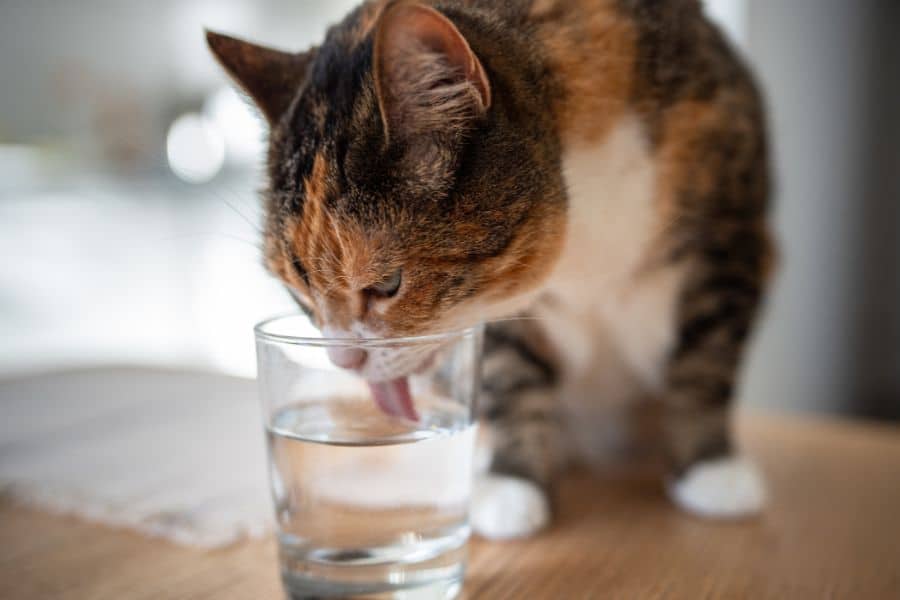
Check severity and your cat’s behavior. A bright, alert cat with one or two loose stools may need monitoring. Keep fresh water available. Wet food can support fluid intake.
Avoid treats, table scraps, supplements, or several new foods while identifying the trigger. A simple feeding routine makes patterns easier to recognize.
Do not give human anti-diarrhea medicine unless a professional recommends it. Some products are unsafe for cats.
If diarrhea continues, becomes frequent, or returns whenever the new food is offered, contact a veterinarian. A stool sample may help identify parasites or other causes. Age, medical history, medications, and other symptoms affect the recommended approach.
How to Switch Cat Food Without Upsetting the Stomach
Changing cat food should usually happen gradually. Mix a small amount of new food with the current diet, increase the new portion over several days, and reduce the old food at the same pace.
A sensitive cat may need a slower transition. Watch stool, appetite, energy, and water intake. If diarrhea appears, pause the diet change and contact your veterinarian rather than repeatedly switching foods.
Texture matters. A cat accustomed to pâté may reject chunks, while a dry-food cat may not accept wet food immediately. Refusing food can create another problem.
Signs Your Cat’s Diarrhea Needs Attention
Certain signs deserve prompt attention:
- Diarrhea lasting more than a day or two
- Repeated watery stools
- Blood or black, tarry stool
- Repeated vomiting
- Refusal to eat
- Marked weakness or unusual hiding
- Signs of dehydration
- Abdominal pain or a swollen belly
- Diarrhea in a kitten, senior cat, or cat with an existing illness
Dehydration can become serious with vomiting or poor water intake. A professional can assess hydration and decide whether testing, fluids, medication, or dietary support is appropriate.
Could the New Food Be the Wrong Food?
A cat can have difficulty tolerating an ingredient without having a true food allergy. Repeated digestive symptoms after the same formula deserve attention.
Compare the ingredient list with the previous food. Note changes in protein, fat, fiber, treats, and supplements. Keep a food-and-symptom record to reveal patterns over time.
How Long Should Cat Diarrhea Last?
Mild diarrhea caused by a dietary change may improve after the trigger is removed, but there is no universal timeline. Monitor your cat rather than relying only on the clock.
Watch frequency, stool appearance, appetite, drinking, energy, and behavior. A cat that remains comfortable and improves quickly may need observation. A cat that deteriorates, stops eating, becomes dehydrated, or develops additional symptoms needs professional assessment.
Do not starve a cat to “rest” the stomach unless a veterinarian gives specific instructions. Prolonged food refusal can be dangerous.
Preventing Diarrhea During Future Food Changes
Plan diet changes instead of making them abruptly. Keep a consistent feeding routine, measure portions, and introduce new treats separately from a new main diet. Save packaging or ingredient information if a reaction occurs.
If your cat has a history of digestive upset, ask your veterinarian about suitable food options before another switch. A tailored plan can reduce unnecessary trial and error.
The goal is a comfortable cat that eats, drinks, behaves normally, and maintains healthy body condition.
When to Call a Veterinarian
Diarrhea with vomiting, blood, weakness, dehydration, pain, appetite loss, or rapid worsening should not be treated as a food adjustment.
For ongoing or unexplained symptoms, a veterinarian can determine whether the new cat food is responsible or whether another condition needs attention. If you need help locating a veterinarian near you, choose a clinic that can evaluate digestive problems and explain the next steps clearly.
Frequently Asked Questions(FAQs):
1. Can changing cat food cause diarrhea?
A: Yes. A sudden change in ingredients, protein, fat, fiber, moisture, or portion size can upset digestion. Gradual introduction gives your cat’s digestive system time to adapt and may reduce loose stools.
2. How long does diarrhea from new cat food last?
A: Mild diet-related diarrhea may improve after the food change is paused or adjusted. Persistent or recurring diarrhea needs professional attention, especially with vomiting, appetite loss, dehydration, blood, or weakness.
3. Should I stop feeding my cat new food if diarrhea starts?
A: If diarrhea begins after a food change, pause the transition and seek guidance about the safest diet. Repeated food changes can make the cause harder to identify.
4. Can food intolerance cause diarrhea in cats?
A: Food intolerance can cause loose stool or vomiting after exposure to an ingredient. Recurring symptoms should be evaluated because parasites, infections, stress, and intestinal disorders can cause similar signs.
5. Should I give my cat medicine for diarrhea?
A: Do not give human diarrhea medicines without professional direction. Some medications can harm cats. A professional can determine whether treatment is appropriate or testing is needed.
6. When should I worry about cat diarrhea?
A: Seek prompt professional care for bloody or black stool, repeated vomiting, severe weakness, dehydration, pain, refusal to eat, or persistent diarrhea. Kittens, senior cats, and cats with illnesses may need earlier evaluation.