Hablamos Español!
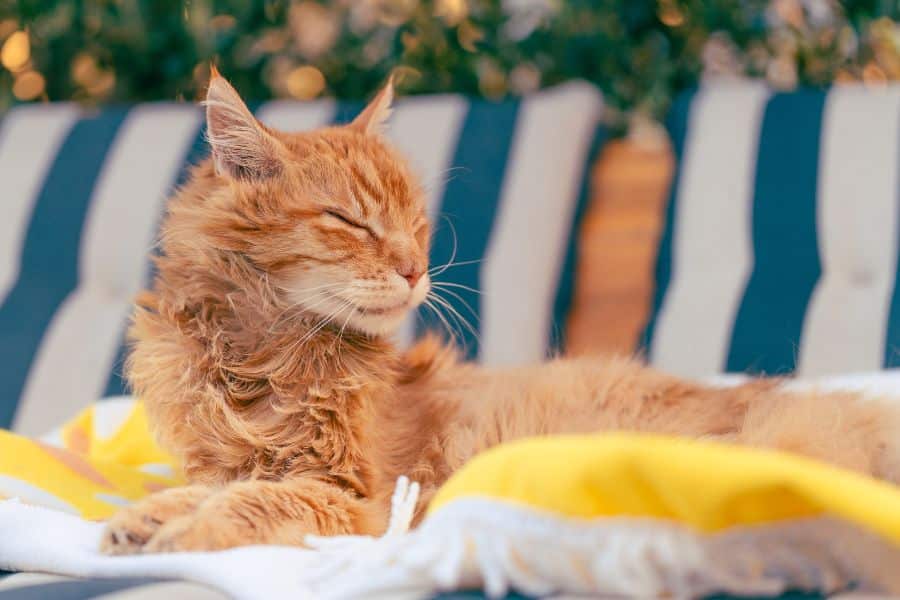
A Maine Coon can share your home for many years, with most living around 10 to 13 years and some reaching their mid-teens or beyond. Genetics, nutrition, weight, exercise, dental health, inherited conditions, and routine veterinary care can influence those years. This guide explains the typical Maine Coon lifespan, life stages, signs of aging, common health concerns, ways to support longevity, and questions owners often ask.
How Long Do Maine Coon Cats Live?
The average Maine Coon lifespan is commonly estimated at 10 to 13 years. Breed size, family history, and individual health can shift that range.
Maine Coons are large, slow-maturing cats. Their size does not mean they should have a short life.
Maine Coon Life Expectancy by Age
Kitten: Birth to 1 Year
Maine Coon kittens grow rapidly and may need more time than other cats to reach their full size. Vaccinations, parasite prevention, safe socialization, and early health checks belong in this stage.
Young Adult: 1 to 5 Years
This is often the energetic adult period. Play, climbing opportunities, interactive toys, and measured meals help protect muscle and weight.
Mature Adult: 6 to 10 Years
Weight gain, reduced jumping, bad breath, changes in drinking, or altered sleep patterns deserve attention. Routine exams can identify problems before noticeable symptoms become severe.
Senior: 11 Years and Beyond
Senior Maine Coons may sleep more, groom less efficiently, or become less active. Arthritis, kidney disease, dental disease, heart problems, and other age-related issues can become more relevant.
What Affects a Maine Coon’s Lifespan?
Genetics and Breeding
Inherited traits can influence longevity. Maine Coons have recognized risks for hypertrophic cardiomyopathy, hip dysplasia, spinal muscular atrophy, and other conditions. Responsible breeders use health screening and avoid breeding cats with known serious inherited problems.
Diet and Healthy Weight
Overfeeding can lead to obesity, which may increase strain on joints and contribute to other health problems. Portion guidance, fresh water, and appropriate meals matter more than simply choosing food marketed for large breeds.
Exercise and Enrichment
Maine Coons are intelligent, active cats. Daily play helps maintain muscle and supports a healthy weight. Short sessions spread across the day can suit cats that tire easily indoors. Cat trees, puzzle feeders, wand toys, scratching posts, and supervised exploration can provide physical and mental stimulation.
Preventive Health Care
Regular examinations give owners a chance to discuss weight, teeth, heart health, mobility, diet, and behavior. Preventive veterinary care can help detect changes while they are easier to manage.
Common Maine Coon Health Problems
Maine Coon owners often search for health information because certain conditions appear more frequently in the breed. Hypertrophic cardiomyopathy, a disease involving abnormal thickening of the heart muscle, is a major concern. Hip dysplasia can affect movement and comfort. Spinal muscular atrophy can cause muscle weakness.
Dental disease, obesity, kidney problems, and urinary concerns can affect Maine Coons as they can other cats. A breed-specific risk does not mean every cat will develop the condition. Knowing warning signs helps owners respond promptly.
Signs Your Maine Coon May Be Aging
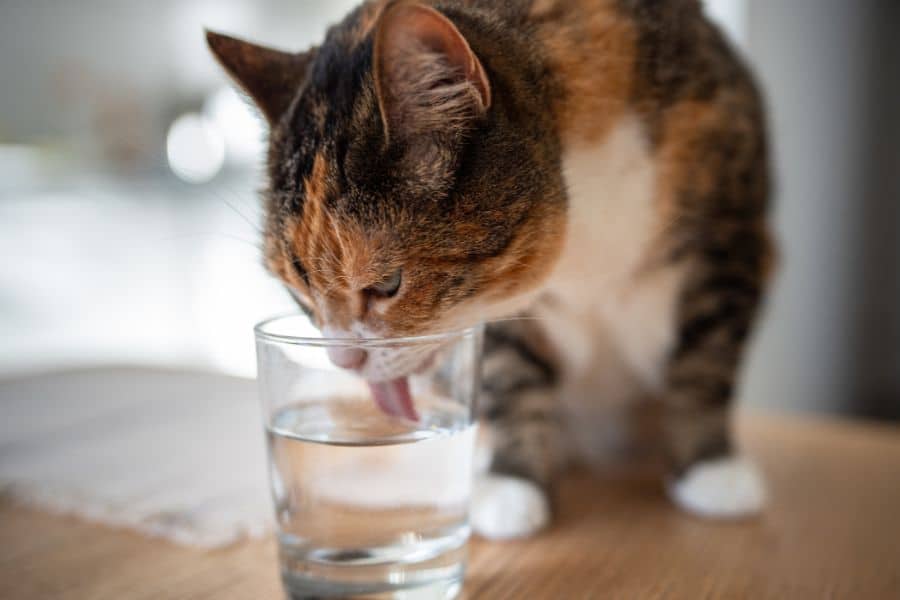
Age does not look identical in every cat. Watch for reduced activity, stiffness, difficulty reaching favorite resting spots, changes in appetite, weight loss or gain, increased thirst, altered litter box habits, nighttime vocalization, poor grooming, or behavior changes.
A change from your cat’s normal routine can be more useful than a specific age cutoff. Record unusual symptoms, when they started, and how often they occur. Share that information during health visits.
How to Help Your Maine Coon Live Longer
Feed appropriate portions and monitor body condition rather than relying only on the number on a scale. Encourage daily movement without forcing strenuous activity. Brush the coat regularly to reduce mats and help you notice skin changes.
Make dental care part of the routine. Keep vaccinations and parasite prevention current according to your cat’s needs. Schedule wellness visits at intervals recommended for age and health status. Indoor living can reduce risks from traffic, fights, infectious exposure, and toxins.
Maine Coon longevity is built through ordinary habits repeated for years. A healthy weight, safe environment, good nutrition, enrichment, grooming, dental attention, and timely medical support all contribute to a stronger foundation.
Frequently Asked Questions
1. What is the average Maine Coon lifespan?
A: Most Maine Coon cats live about 10 to 13 years. Some reach 14 to 16 years or more. Genetics, health conditions, nutrition, body weight, lifestyle, preventive care, and individual aging can influence how long a cat lives.
2. Can a Maine Coon live 20 years?
A: A Maine Coon reaching 20 years would be unusual. Some cats live well beyond the typical range, but owners should view exceptional longevity as possible rather than expected. Consistent health monitoring can support comfort and identify age-related problems sooner.
3. Do indoor Maine Coon cats live longer?
A: Indoor cats may avoid hazards such as traffic, fights, certain infections, and environmental toxins. That can reduce preventable risks. Indoor living does not guarantee a longer lifespan, since genetics, disease, nutrition, weight, and preventive care still matter.
4. What health problems shorten a Maine Coon’s life?
A: Serious heart disease, kidney disease, obesity-related complications, and other chronic conditions can affect longevity. Maine Coons also have breed-associated risks such as hypertrophic cardiomyopathy and hip dysplasia. Early recognition and appropriate care can improve management and quality of life.
5. At what age is a Maine Coon considered senior?
A: Many Maine Coons are considered senior around 11 years of age, though aging varies between individuals. A cat may show age-related changes earlier or remain active much longer. Regular health assessments become increasingly valuable as your cat gets older.
6. How can I increase my Maine Coon’s lifespan?
A: Focus on a healthy body weight, complete nutrition, daily enrichment, dental care, grooming, safe housing, parasite prevention, and regular wellness visits. Watch for changes in behavior, appetite, movement, drinking, or litter box habits and seek help when concerns appear.