Hablamos Español!
Dental problems in dogs and cats can become painful for your pet. A cracked tooth, bleeding gums, facial swelling, loose tooth, or trouble eating deserves attention. Some problems need same-day assessment. Knowing the warning signs can help you recognize when your pet needs prompt support. This guide covers signs, causes, first steps, urgent care, and prevention. If you live in Palm Desert, knowing where to turn can make stressful moments easier.
Why Dental Problems Need Quick Attention
Pets often hide mouth pain. Dogs may act normally despite a sore tooth, while cats may become quiet. Oral problems can affect chewing and behavior.
A chip can expose sensitive tissue. A loose tooth can hurt when your pet eats. Swollen gums may signal infection.
Warning Signs to Watch
Changes in Eating and Chewing
Watch for dropping food, chewing on one side, refusing hard treats, eating slowly, or suddenly preferring soft food. Trouble chewing may signal pain.
Bleeding, Swelling, or Discharge
Repeated bleeding deserves attention. Swelling, pus, or fluid around a tooth can signal a serious oral problem.
Broken, Loose, or Missing Teeth
A fractured tooth can expose sensitive tissue. A loose adult tooth is not normal. If a tooth is knocked out, contact a pet professional promptly. Do not push it back into the socket.
Behavior Changes
Pawing at the mouth, drooling, bad breath, irritability, or hiding can be clues. Cats may groom less or stop eating. Dogs may become restless or withdrawn.
Common Causes of Dental Pain
Dental disease is a frequent cause of oral discomfort. Causes include hard objects, falls, bites, accidents, fractured teeth, trapped material, and gum disease. Puppies and kittens can have retained baby teeth.
Knowing the cause helps guide treatment. A surface chip may need a different approach from a deeper fracture.
What to Do Before Your Pet Is Seen
Keep your pet calm. Remove hard chew toys and crunchy treats. Offer softer food if chewing hurts. Do not pull a loose tooth or scrape the gums.
Avoid human pain medicine unless a pet professional specifically recommends it. Some medications are unsafe for pets.
If you need urgent care for pets, explain what happened, when it started, and whether your pet can eat and drink. Details help the care team understand the situation.
When Prompt Care Is Needed
Seek prompt assessment for heavy bleeding, facial swelling, severe pain, a fractured or knocked-out tooth, trouble moving the mouth, inability to eat or drink, or unusual weakness.
Breathing difficulty, collapse, uncontrolled bleeding, or severe trauma requires immediate attention. Prevent further injury. Do not delay because your pet seems calm; animals can mask discomfort.
How Dental Problems Are Checked
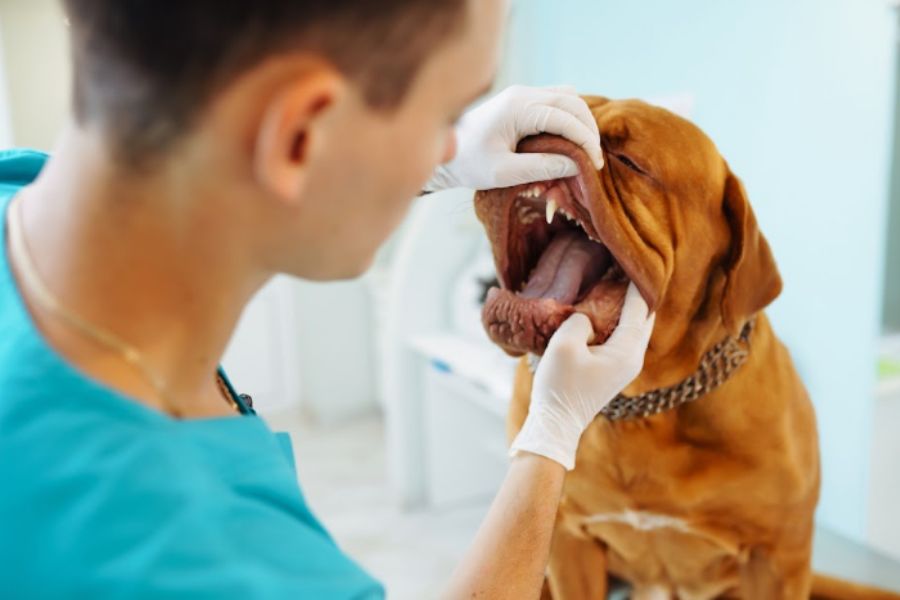
A professional may examine the mouth, gums, teeth, jaw, and surrounding tissues. Some pets need X-rays because damage below the gumline cannot be seen during an examination. Sedation may be recommended for an examination.
Treatment may include cleaning, medication, repair, or tooth removal. The plan should include home care.
Preventing Future Dental Trouble
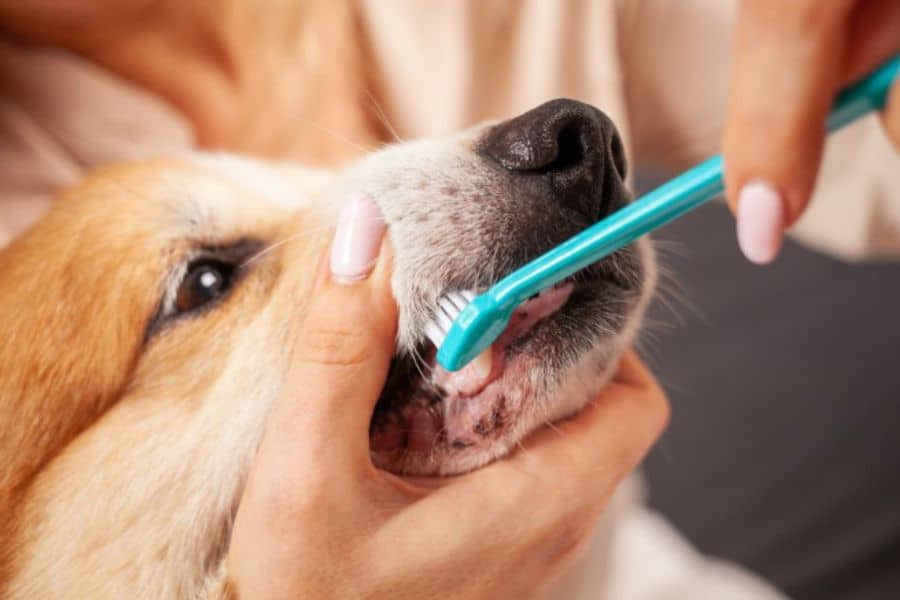
Daily tooth brushing with pet-safe toothpaste is one of the most useful habits. Introduce brushing slowly and reward cooperation. Regular oral checks can identify changes before they become painful.
Choose chew products carefully. Very hard items can fracture teeth. Replace damaged toys. Routine professional dental care can help manage plaque and gum disease.
A Simple At-Home Mouth Check
Choose a calm moment. Lift the lips and look for red gums, swelling, odor, broken teeth, discoloration, or debris. Never force the mouth open if your pet resists.
Compare both sides. Note changes with a photo or video for your care provider. Stop if your pet shows pain or fear.
Call for Urgent Support When Needed
Dental pain can worsen, and delaying care may make treatment harder. If you are unsure whether a mouth problem can wait, calling for guidance is a sensible choice.
For urgent dental concerns, call us at: 760-491-1008.
Conclusion
Your pet cannot explain a toothache, but changes in eating, drooling, bleeding, swelling, or chewing provide clues. Recognizing these signs and responding early can protect comfort and reduce the chance of a small dental problem becoming complicated.
If you’re located in Palm Desert, reach out to El Paseo Animal Hospital, where compassionate care and community come together for your pet’s well-being. Keep dental checks on your pet’s calendar and seek prompt help when warning signs appear.
Frequently Asked Questions(FAQs):
1. How can I tell if my dog has a dental problem?
A: Watch for bad breath, drooling, bleeding gums, pawing at the mouth, chewing changes, reduced appetite, loose teeth, facial swelling, or unusual irritability. These signs warrant professional advice, especially if eating changes too.
2. What should I do if my cat breaks a tooth?
A: Keep your cat calm, remove hard foods and toys, and contact a pet care professional promptly. Do not repeatedly touch the damaged area or give human pain medicine without guidance.
3. Is bad breath normal in dogs and cats?
A: Persistent bad breath is not normal. It can accompany plaque, gum disease, infected teeth, or other oral problems. Schedule an examination if the odor continues or appears with eating or behavior changes.
4. Can a loose tooth heal on its own?
A: An adult pet tooth that becomes loose generally needs assessment. The cause may involve gum disease, injury, or damage around the tooth. Avoid pulling it and seek guidance promptly.
5. When does facial swelling require urgent care?
A: Facial swelling should be assessed promptly, especially with pain, discharge, trouble eating, fever-like behavior, or increasing size. These signs may indicate infection or another condition needing prompt treatment and should not be ignored.
Related Articles