Hablamos Español!
Eye injuries in pets can happen within seconds and may lead to lasting vision problems without timely treatment. A playful encounter, outdoor adventure, household accident, or contact with a sharp object can all cause damage to the eye. Some injuries appear mild at first, while others quickly become painful and serious.
Recognizing the warning signs, understanding available surgical treatment options, and knowing when to seek immediate medical attention can make a meaningful difference in your pet’s recovery. This guide explains common causes, symptoms, diagnosis, surgical care, aftercare, and prevention tips to help protect your pet’s eyesight. Pet owners looking for prompt support in Palm Desert should never delay when eye injuries are suspected.
Common Causes of Eye Injuries in Pets
Pets use their eyes constantly while exploring their surroundings, making them vulnerable to injury. Some situations create a greater risk than others.
Common causes include:
- Scratches from another animal
- Foreign objects such as grass seeds or debris
- Falls or blunt trauma
- Sharp sticks or branches during walks
- Chemical exposure from household cleaners
- Accidents involving vehicles
- Bite wounds around the face
- Excessive rubbing caused by allergies or irritation
Cats and dogs of all ages can experience eye injuries. Active pets and those spending more time outdoors often face greater exposure to these risks.
Signs Your Pet May Have an Eye Injury
Some eye injuries are easy to notice, while others develop gradually. Careful observation helps identify problems before they worsen.
Common Symptoms
- Squinting or keeping one eye closed
- Excessive tearing
- Redness around the eye
- Swelling of the eyelids
- Cloudy appearance
- Visible blood in or around the eye
- Pawing at the face
- Sensitivity to light
- Sudden vision changes
- Eye discharge
Any of these symptoms deserves prompt evaluation. Delaying treatment may increase discomfort and affect long-term vision.
When Surgical Treatment May Be Needed
Not every eye injury requires surgery. Minor scratches often heal with medication and careful monitoring. More severe injuries may require surgical intervention to preserve the eye and restore comfort.
Surgery may be recommended for:
1. Deep Corneal Lacerations
Deep cuts affecting the cornea may require careful repair to protect vision and support healing.
2. Eyelid Injuries
Large tears or damaged eyelids often need surgical closure to maintain normal eye function.
3. Foreign Object Removal
Embedded objects sometimes cannot be removed safely without surgery.
4. Ruptured Eye Structures
Serious trauma affecting internal eye tissues may require specialized surgical treatment.
5. Severe Eye Prolapse
When the eye becomes displaced from its normal position, immediate surgical care offers the best chance of preserving function.
Every case is different. The treatment plan depends on the type, location, and severity of the injury.
How Eye Injuries Are Diagnosed
A detailed eye examination helps determine the extent of damage. The care team evaluates both visible and internal structures before recommending treatment.
Diagnostic methods may include:
- Fluorescein staining to detect corneal ulcers
- Tear production testing
- Eye pressure measurement
- Magnified examination
- Imagine when facial trauma is suspected
These tests help guide the safest and most effective treatment approach.
What Happens During Urgent Surgical Care
Prompt evaluation allows the medical team to stabilize your pet before surgery. Pain management and careful monitoring remain priorities throughout treatment.
Depending on the injury, surgery may involve repairing damaged tissues, removing foreign material, protecting the cornea, or reconstructing injured eyelids. Modern surgical techniques focus on preserving vision whenever possible while improving comfort and reducing future complications.
When your pet requires urgent care for pets, rapid assessment helps determine whether surgery is the most appropriate option for protecting the affected eye.
Call us at (760) 340-3544 to discuss urgent eye injuries and receive timely guidance for your pet.
Recovery After Eye Surgery
Healing varies depending on the severity of the injury and the type of procedure performed. Most pets recover well when owners follow aftercare instructions carefully.
Recovery usually includes:
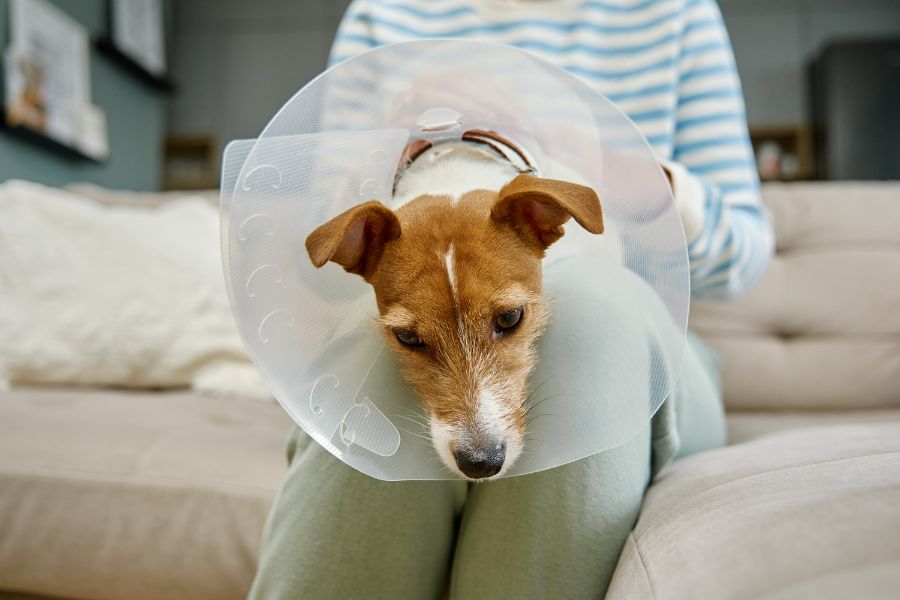
1. Protective Collar
An Elizabethan collar prevents rubbing or scratching during healing.
2. Medications
Eye drops, ointments, and pain medication support healing and reduce discomfort.
3. Follow-Up Visits
Scheduled rechecks allow healing progress to be monitored and treatment adjusted when necessary.
4. Activity Restriction
Limiting rough play helps protect delicate surgical repairs.
Owners should always complete prescribed medications even if the eye appears improved.
Can Eye Injuries Be Prevented?
Many accidents cannot be predicted, though simple precautions reduce the likelihood of serious injuries.
Helpful prevention tips include:
- Supervise outdoor activities.
- Keep sharp objects out of reach.
- Trim overgrown plants in play areas.
- Store chemicals safely.
- Address chronic eye irritation promptly.
- Schedule regular wellness examinations.
Early attention to small eye problems may prevent larger complications later.
Conclusion
Eye injuries in pets should never be ignored because even minor damage can become more serious without prompt care. Quick recognition, accurate diagnosis, and timely surgical treatment often improve the chances of preserving vision and relieving discomfort.
Staying alert to changes in your pet’s eyes and seeking immediate medical attention when concerns arise can support a smoother recovery. If you’re located in Palm Desert, reach out to El Paseo Animal Hospital, where compassionate care and community come together to support your pet’s health and well-being when urgent eye concerns require prompt attention.
Frequently Asked Questions(FAQs):
1. How can I tell if my pet’s eye injury needs immediate treatment?
Persistent squinting, bleeding, swelling, cloudiness, severe redness, visible wounds, or sudden vision changes all require prompt medical evaluation. Early treatment helps reduce discomfort and lowers the risk of lasting damage to the eye.
2. Can a scratched eye heal without surgery?
Yes. Minor corneal scratches often heal with prescribed medications and monitoring. Deep injuries, large wounds, or damage involving multiple eye structures may require surgical repair for proper healing and vision preservation.
3. What should I do if something is stuck in my pet’s eye?
Avoid attempting to remove the object yourself because additional damage may occur. Keep your pet from rubbing the eye and seek immediate professional care for safe removal and appropriate treatment.
4. How long does recovery take after eye surgery?
Recovery varies with the injury and procedure performed. Many pets show improvement within several days, while complete healing may require several weeks, along with follow-up visits and consistent home care.
5. Will my pet need to wear a protective collar?
Yes. Most pets wear a protective collar after eye surgery to prevent rubbing or scratching. This simple step protects delicate tissues and supports successful healing during the recovery period.
6. Can eye injuries cause permanent vision loss?
Some severe injuries may affect vision permanently if treatment is delayed. Prompt diagnosis and appropriate surgical care improve the chances of preserving eyesight and maintaining your pet’s long-term eye health.