Hablamos Español!
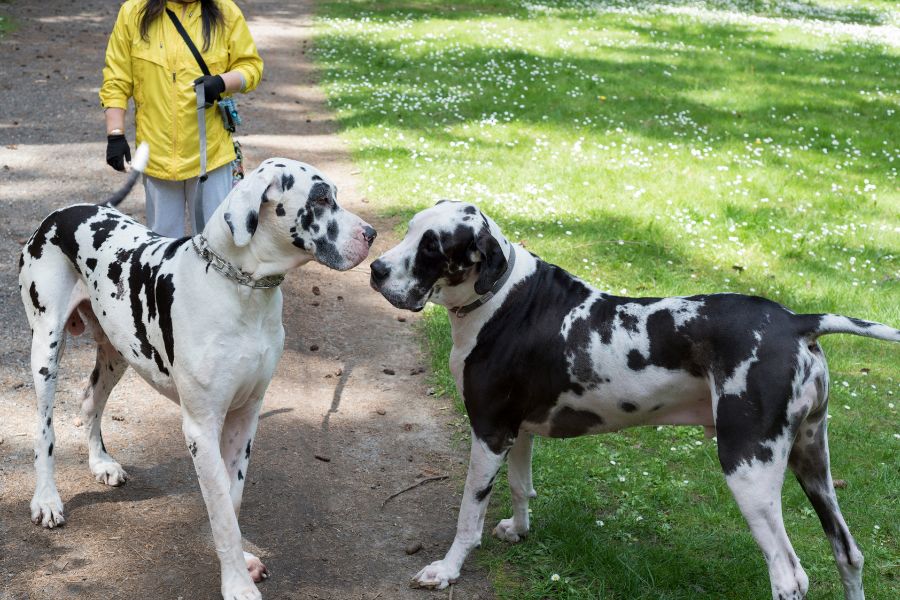
Great Danes are known for their impressive size, gentle temperament, and strong bond with their families. But if you share your life with a Great Dane, you may already know their lifespan is shorter than that of many other breeds. That makes every stage of their life even more important.
This guide offers a clear, practical checklist to help you support your Great Dane from puppyhood to their senior years. You’ll learn what affects their lifespan, what to watch for at each stage, and how to make informed decisions about their care.
Understanding the Great Dane Lifespan
Most Great Danes live between 7 and 10 years. While that may feel short, many factors influence how long and how well they live:
- Genetics and breeding quality
- Nutrition and weight management
- Exercise habits
- Preventive veterinary care
- Early detection of health issues
Large and giant breeds age faster than smaller dogs. This means your Great Dane may reach “senior” status as early as 5–6 years old.
Lifespan Checklist by Life Stage
???? Puppy Stage (0–18 Months)
This stage sets the foundation for your dog’s entire life.
What to Focus On:
- Balanced nutrition: Choose large-breed puppy food to support controlled growth
- Vaccinations and deworming: Stay on schedule with your vet
- Joint protection: Avoid excessive jumping or hard surfaces
- Training and socialization: Start early to build confidence and good behavior
Checklist:
- Schedule initial vet visits
- Monitor weight weekly
- Begin leash training and basic commands
- Avoid overfeeding to prevent rapid growth
???? Adult Stage (18 Months–5 Years)
Your Great Dane is now fully grown, but this stage requires consistency to maintain health.
What to Focus On:
- Weight management: Extra weight strains joints and heart
- Routine exercise: Daily walks and moderate play
- Preventive care: Annual wellness exams and screenings
- Bloat awareness: A life-threatening condition common in Great Danes
Checklist:
- Feed measured portions twice daily
- Avoid intense activity right after meals
- Keep fresh water available at all times
- Monitor for signs of bloating (restlessness, distended abdomen)
???? Senior Stage (5+ Years)
This is where senior Great Dane care becomes essential. Aging happens faster in giant breeds, so proactive care makes a noticeable difference.
What to Focus On:
- Joint and mobility support: Arthritis is common
- Heart health monitoring: Watch for fatigue or coughing
- Diet adjustments: Lower calories, joint supplements
- More frequent vet visits: Every 6 months is recommended
Checklist:
- Switch to senior-specific dog food
- Add orthopedic bedding for comfort
- Track changes in behavior or appetite
- Keep exercise gentle but consistent
Common Health Concerns That Affect Lifespan
Understanding common health risks helps you act early and make better care decisions.
1. Gastric Dilatation-Volvulus (Bloat)
- Sudden and life-threatening
- Symptoms include swelling, pacing, and unproductive retching
- Requires immediate veterinary attention
2. Hip Dysplasia
- Affects mobility and quality of life
- Managed with weight control, supplements, and sometimes surgery
3. Heart Disease
- Dilated cardiomyopathy is common
- Regular screenings help detect early signs
4. Bone Cancer (Osteosarcoma)
- More frequent in giant breeds
- Early detection improves treatment options
Nutrition Checklist for Longevity
Diet plays a direct role in how long your Great Dane lives.
Key Guidelines:
- Feed high-quality, large-breed-specific food
- Maintain a lean body condition
- Avoid overfeeding treats
- Include joint-support supplements if recommended
You can also visit our website for guidance on balanced nutrition plans tailored to your dog’s life stage.
Exercise and Lifestyle Tips
Great Danes don’t need extreme activity, but they do need consistency.
Daily Routine:
- 30–60 minutes of moderate exercise
- Mental stimulation (training, puzzles)
- Safe, non-slip surfaces at home
What to Avoid:
- High-impact activities during growth
- Overexertion in hot weather
- Long periods of inactivity
Signs Your Great Dane Needs Immediate Attention
Knowing when to act quickly can save your dog’s life.
Watch for:
- Sudden weakness or collapse
- Difficulty breathing
- Swollen abdomen
- Persistent vomiting or retching
- Loss of appetite for more than 24 hours
If you notice any of these, contact your veterinarian right away.
Creating a Lifespan-Friendly Home
Small adjustments at home can support your dog’s health as they age.
- Use non-slip rugs to prevent falls
- Provide raised food bowls if recommended
- Keep sleeping areas warm and supportive
- Maintain a calm, predictable routine
These changes are especially important in senior Great Dane care, where comfort and stability matter most.
Preventive Care Checklist (All Life Stages)
- Annual (or biannual for seniors) vet exams
- Vaccinations and parasite prevention
- Dental care and cleanings
- Weight and body condition monitoring
- Bloodwork for early disease detection
Preventive care is one of the most effective ways to extend your dog’s lifespan and quality of life.
Conclusion: Making Every Year Count
Owning a Great Dane means embracing both the joy and the responsibility that come with a shorter lifespan. With the right care, attention, and early action, you can give your dog a life that is not just longer—but healthier and more comfortable.
Stay proactive with each stage of life, and don’t overlook subtle changes in behavior or health. If you have concerns or want guidance tailored to your dog’s needs, it’s always a good idea to book an appointment with your veterinarian.
Every step you take today helps shape the quality of your Great Dane’s tomorrow.
Frequently Asked Questions (FAQs):
1. How long do Great Danes usually live?
A: Most Great Danes live between 7 and 10 years, though proper care can improve both lifespan and quality of life.
2. At what age is a Great Dane considered a senior?
A: Great Danes are typically considered seniors around 5 to 6 years old.
3. What is the most common cause of death in Great Danes?
A: Bloat, heart disease, and cancer are among the most common health concerns.
4. How can I extend my Great Dane’s lifespan?
A: Focus on balanced nutrition, regular vet care, weight management, and early detection of health issues.
5. Do Great Danes need special food?
A: Yes, large-breed-specific formulas help support controlled growth and joint health.
6. What is important in senior Great Dane care?
A: Senior Great Dane care should include joint support, heart monitoring, dietary adjustments, and more frequent vet visits.