
Hablamos Español!
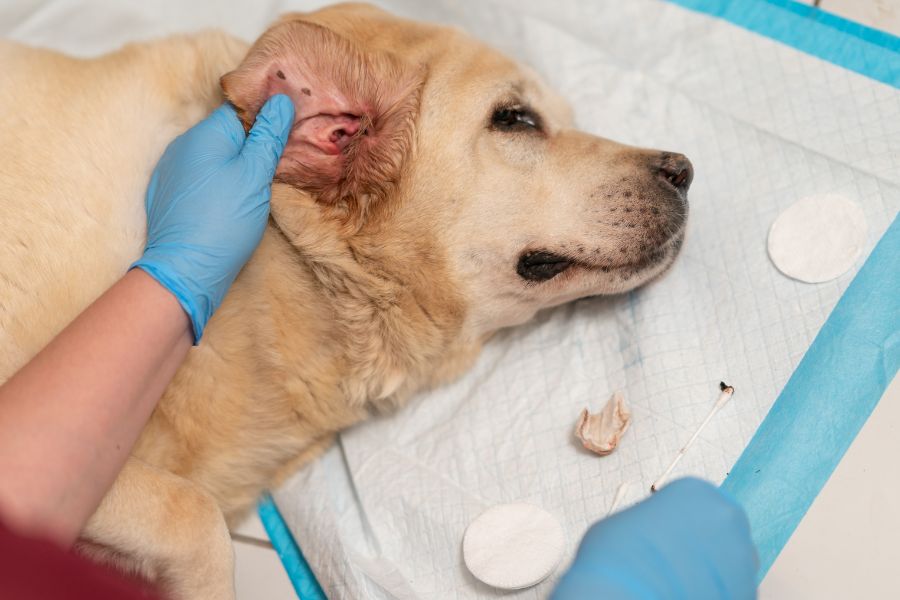
Fleas are one of the most common and frustrating problems dog owners face. They spread quickly, cause intense itching, and can lead to skin infections or even more serious health concerns if left untreated. Whether you have a playful puppy or a fully grown dog, knowing what to do if your dog has fleas can make a big difference in keeping your pet comfortable and your home pest-free.
This guide walks you through safe, effective ways to treat fleas, prevent future infestations, and protect both your dog and your household.
Understanding Fleas: Why Quick Action Matters
Fleas are tiny parasites that feed on your dog’s blood. A single flea can lay dozens of eggs per day, which means a small problem can turn into a full-blown infestation in a matter of days.
Common signs of fleas in dogs:
- Constant scratching or biting at the skin
- Red, irritated patches or scabs
- Flea dirt (tiny black specks) on the coat
- Hair loss in certain areas
- Restlessness or discomfort
Puppies are especially vulnerable because their immune systems are still developing. In severe cases, flea infestations can cause anemia in young dogs.
What to Do If Your Dog Has Fleas
If you’ve spotted fleas, don’t panic. Acting quickly and methodically is the key.
Step 1: Confirm the Presence of Fleas
Use a fine-tooth flea comb and check areas like:
- Behind the ears
- Around the tail base
- Under the belly
Look for live fleas or flea dirt.
Step 2: Start Immediate Treatment
Begin treatment as soon as fleas are detected. Waiting even a day or two allows fleas to multiply.
Step 3: Treat All Pets in the Household
Even if only one pet shows symptoms, fleas may already be on others.
Step 4: Address Your Home Environment
Fleas don’t just live on your dog. Eggs and larvae hide in carpets, bedding, and furniture.
Safe Flea Treatments for Puppies
Treating puppies requires extra care. Not all flea products are safe for young dogs.
Age matters
- Puppies under 8 weeks: Avoid chemical treatments unless directed by a veterinarian
- Use gentle methods like bathing and combing
Safe options for puppies:
- Mild flea shampoos made specifically for puppies
- Warm water baths followed by thorough drying
- Daily flea combing to remove fleas manually
What to avoid:
- Strong topical treatments not labeled for puppies
- Essential oils or home remedies without professional guidance
Effective Flea Treatments for Adult Dogs
Adult dogs have more treatment options available, but safety still matters.
1. Topical Treatments (Spot-On)
Applied to the skin, usually between the shoulder blades. These kill fleas on contact and offer ongoing protection.
2. Oral Medications
These work from the inside out and can kill fleas quickly. Some start working within hours.
3. Flea Collars
Modern flea collars release active ingredients over time. Choose high-quality, vet-recommended options.
4. Medicated Shampoos
Useful for immediate relief, especially during heavy infestations.
Natural vs. Chemical Treatments: What’s Safer?
Many pet owners prefer natural options, but not all are effective enough on their own.
Natural methods:
- Flea combing
- Regular bathing
- Cleaning the home thoroughly
These can help reduce fleas but may not eliminate a severe infestation.
Veterinary-approved treatments:
These are tested for safety and effectiveness. When used as directed, they are safe for most dogs and provide reliable results. A balanced approach often works best: immediate treatment plus ongoing prevention care.
Treating Your Home: A Critical Step
You can treat your dog perfectly and still have fleas return if your home isn’t addressed.
Key steps to eliminate fleas indoors:
1. Vacuum daily
Focus on:
- Carpets
- Rugs
- Furniture
- Baseboards
Dispose of the vacuum bag immediately.
2. Wash all fabrics
- Dog bedding
- Blankets
- Your bedding (if your dog sleeps with you)
Use hot water and dry on high heat.
3. Use flea sprays or foggers (if needed)
Choose pet-safe products and follow instructions carefully.
Outdoor Flea Control
If your dog spends time outside, your yard may also need attention.
Tips for outdoor control:
- Keep the grass trimmed
- Remove debris like leaves and brush
- Limit access to shaded, damp areas where fleas thrive
Preventing Future Flea Infestations
Once fleas are gone, prevention becomes your priority.
Year-round flea prevention is key
Fleas are not just a summer problem. In many parts of the U.S., they can survive year-round.
Preventive measures:
- Monthly flea preventatives
- Regular grooming and inspections
- Clean living spaces
- Routine vet check-ups
Consistency is what keeps fleas from coming back.
When to Call a Veterinarian
Some situations require professional care.
Seek veterinary help if:
- Your puppy is very young or weak
- Your dog shows signs of anemia (pale gums, weakness)
- Skin infections develop
- Fleas persist despite treatment
A veterinarian can recommend safe, targeted treatments based on your dog’s age, weight, and health.
A Clear and Responsible Approach to Flea Care
Handling fleas is not about quick fixes. It requires a complete approach that includes:
- Treating your dog
- Cleaning your home
- Preventing future outbreaks
If you need guidance on parasite prevention tailored to your pet, you can visit our website to learn more about safe, effective care options.
Conclusion: Take Control Before Fleas Take Over
Fleas can feel overwhelming, but they are manageable with the right approach. Acting early, choosing safe treatments, and maintaining a clean environment will protect your dog and your home.
If you ever find yourself wondering what to do if your dog has fleas, remember this: treat your dog, treat your home, and stay consistent with prevention.
Your dog depends on you for comfort and care. Taking the right steps now keeps them healthy, happy, and itch-free.
FAQs About Fleas on Dogs:
1. Should I treat my home if my dog has fleas?
A: Yes. Fleas lay eggs that fall off your dog and settle in your home. Without treating your environment, the infestation will continue.
2. What kills fleas on dogs right away?
A: Fast-acting oral medications and certain flea shampoos can kill fleas within hours. These are often the quickest solutions for immediate relief.
3. What steps should I take immediately if my dog has fleas?
A: Start by confirming fleas, then use a safe treatment, clean your home thoroughly, and treat all pets. Acting quickly prevents the problem from spreading.
4. Do I need to wash bedding if my dog has fleas?
A: Yes. Wash all bedding, including your dog’s and your own, in hot water. This helps remove flea eggs and larvae.
5. What eliminates fleas in the house?
A: There is no single step that guarantees 100% removal. A combination of vacuuming, washing fabrics, and using safe flea control products is the most effective approach.
6. Is it safe to cuddle my dog if they have fleas?
A: You can still interact with your dog, but fleas may transfer to you or your home. It’s best to begin treatment right away and maintain cleanliness.