Hablamos Español!
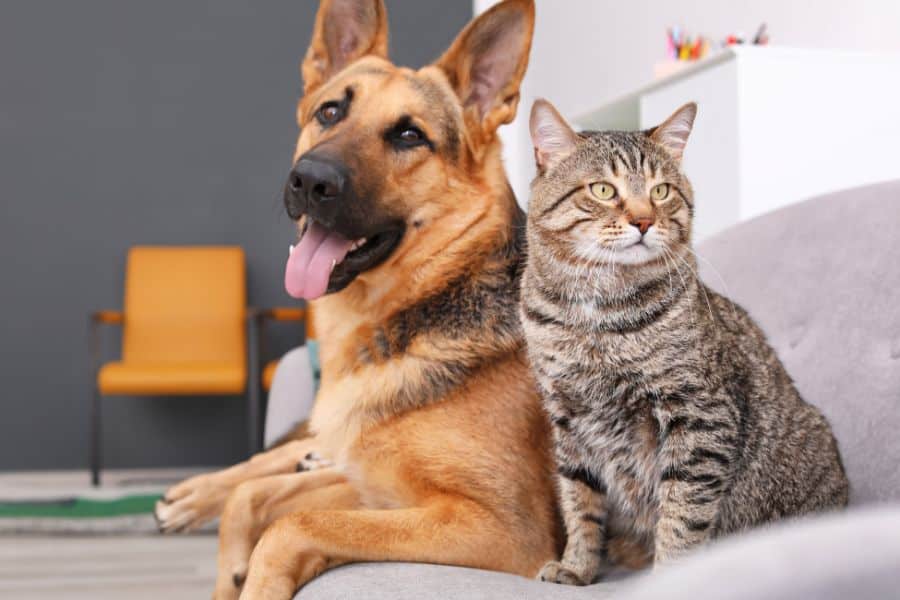
Choosing medical care for a pet can feel overwhelming when different treatment styles are available. Integrative medicine combines traditional medical methods with supportive therapies such as acupuncture, nutrition guidance, rehabilitation, and massage.
Conventional medicine focuses on diagnostics, medication, surgery, and urgent treatment needs. Both approaches aim to improve quality of life, reduce discomfort, and support recovery. Understanding how each method works helps pet owners make informed choices about treatment plans, wellness, and daily support for families.
Many families in Palm Desert want clear information before deciding which approach best matches their companion’s health needs.
Understanding Conventional Veterinary Medicine
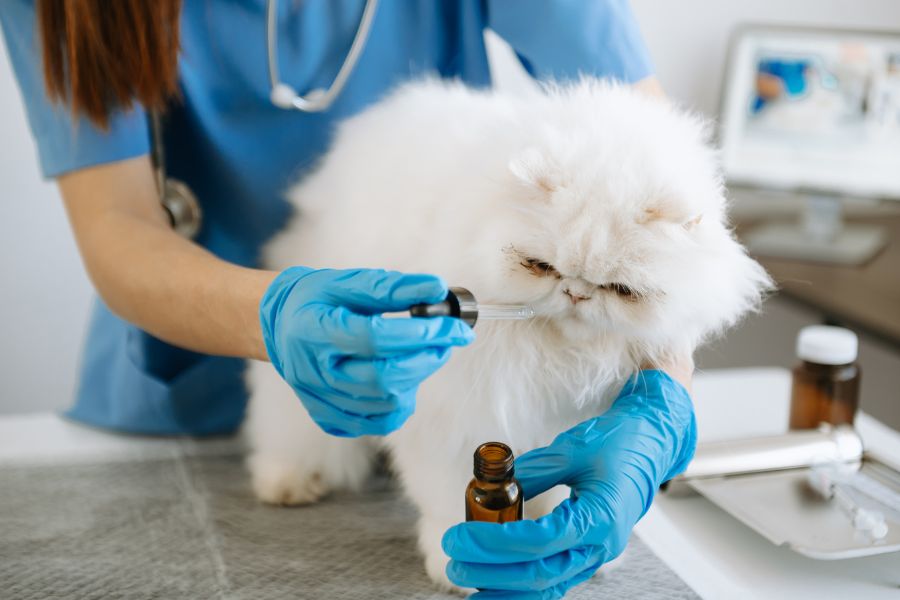
Conventional care focuses on diagnosing and treating illnesses through established medical practices. Physical examinations, laboratory testing, imaging, medication, and surgery are common parts of this approach. Pets with infections, injuries, diabetes, allergies, or emergency conditions often benefit from rapid treatment using conventional methods.
This form of care is effective for identifying immediate medical concerns and creating structured treatment plans. Pain management, vaccinations, parasite prevention, and dental procedures are also included in conventional care programs. Many pet owners rely on these services because they are studied and supported through years of clinical use.
Conventional medicine also supports routine preventive care appointments. Wellness exams allow doctors to monitor weight, mobility, organ function, and behavioral changes before serious illness develops.
What Is Integrative Veterinary Medicine?
Integrative medicine combines standard medical care with supportive therapies designed to improve comfort and recovery. These therapies are selected alongside traditional treatments instead of replacing them. The goal is to support the entire pet rather than focusing only on symptoms.
Common Integrative Therapies
Acupuncture may help pets experiencing arthritis, joint discomfort, or nerve-related conditions. Rehabilitation exercises can improve strength, flexibility, and movement after surgery or injury. Nutritional counseling supports weight management and digestive health. Massage therapy may reduce muscle tension and encourage relaxation in anxious pets.
Herbal support and laser therapy are sometimes included in integrative treatment plans. Each therapy is chosen according to the pet’s age, health condition, lifestyle, and medical history.
Comparing Treatment Approaches
Conventional care often addresses urgent medical concerns quickly. Integrative care usually focuses on supporting recovery, mobility, comfort, and chronic condition management over time. Both approaches can work together within one treatment plan.
A pet recovering from surgery may receive medication for pain while also participating in rehabilitation exercises. An older dog with arthritis might use anti-inflammatory medication alongside acupuncture sessions and weight management support.
Integrative medicine does not reject science-based treatment. Responsible care plans use evidence, observation, and medical history to determine what may benefit each pet safely.
Which Option Is Best for Your Pet?
Every pet has unique health needs. Age, activity level, medical history, and lifestyle all influence treatment recommendations. Some conditions require immediate traditional treatment. Others benefit from a combination of supportive therapies and standard medicine.
Pet owners should ask questions about goals, expected outcomes, risks, recovery time, and long-term management. Open communication creates trust and allows families to understand how treatment decisions are made.
Clear guidance also helps prevent unrealistic expectations. Integrative therapies may improve comfort and mobility, though they may not replace surgery or medication when severe illness is present.
Building a Personalized Care Plan
Balanced treatment plans focus on safety, comfort, and quality of life. Doctors may recommend combining diagnostics, medication, nutrition changes, rehabilitation, and wellness monitoring depending on the pet’s condition.
Consistency matters during treatment. Follow-up visits help track progress and identify changes in appetite, sleep, mobility, or behavior. Small improvements often provide important insight into recovery and wellness.
At El Paseo Animal Hospital, we create customized care plans that support your pet’s physical health, comfort, and daily quality of life. Schedule an appointment with our team to discuss treatment options designed around your companion’s individual needs.
Conslusion:
Choosing between integrative and conventional medicine does not always require selecting only one path. Many pets benefit from treatment plans that combine medical expertise with supportive therapies tailored to their needs. If you are located in Palm Desert, connect with our team at El Paseo Animal Hospital, where compassionate care and community come together to protect your pet’s well-being.
Frequently Asked Questions(FAQs):
1. Can integrative medicine replace conventional treatment completely?
A: Integrative therapies usually work alongside standard medical care instead of replacing it entirely. Pets with serious infections, fractures, or emergencies often require medication, surgery, or diagnostics before supportive therapies are added for recovery and comfort.
2. Is acupuncture safe for older pets?
A: Acupuncture is generally considered safe when performed by trained professionals. Many senior pets receiving acupuncture for arthritis or mobility concerns experience relaxation, improved movement, and reduced discomfort during treatment programs tailored to their condition and age.
3. How do I know which treatment approach is right?
A: Treatment recommendations depend on your pet’s diagnosis, lifestyle, age, symptoms, and medical history. Discussing goals, risks, and expected outcomes with your care team helps create a plan that supports both immediate treatment and wellness needs.
4. Are holistic therapies scientifically supported?
A: Some integrative therapies have growing scientific support for pain management, rehabilitation, and stress reduction. Results vary between pets, which is why treatment plans should always be developed alongside standard medical guidance and regular health monitoring.
5. Can integrative therapies help anxious pets?
A: Massage therapy, rehabilitation exercises, and environmental adjustments may help reduce stress in some pets. These supportive therapies can improve comfort and relaxation while working alongside behavioral guidance and medical treatment recommendations when anxiety affects daily life.
6. Why is personalized care important for pets?
A: No two pets respond the same way to treatment. Personalized care plans consider medical history, lifestyle, age, mobility, and emotional well-being to create balanced support focused on safety, comfort, recovery, and long-term health outcomes.