Hablamos Español!

Allergies in dogs and cats can be frustrating, confusing, and uncomfortable for everyone involved. This guide explains what triggers allergic reactions, how to recognize early warning signs, and the practical steps you can take to keep your pet comfortable year-round.
You’ll learn about environmental triggers common in desert climates, food sensitivities, skin care routines, and when professional guidance is needed. We’ll also answer common questions from local pet owners and offer clear, transparent advice you can trust. If you live in Palm Desert, CA, this information is tailored to the challenges pets face in our unique environment.
What Are Allergies in Pets?
Pet allergies occur when a dog or cat’s immune system overreacts to a substance that is normally harmless. These substances, called allergens, may include pollen, dust mites, mold, certain foods, or flea saliva. Instead of ignoring these triggers, the body reacts with inflammation, itching, or digestive upset.
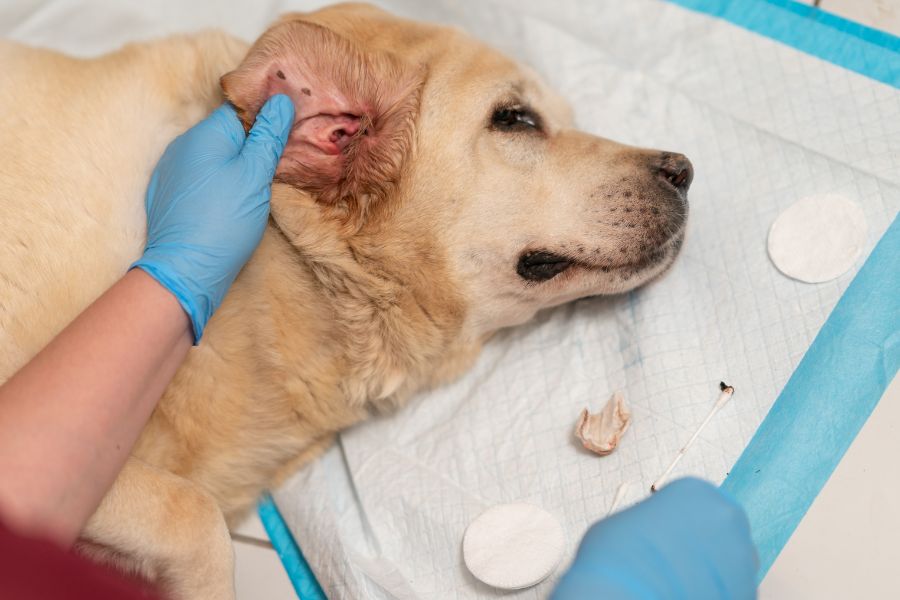
Unlike humans, pets often show allergic reactions through their skin. Persistent scratching, licking paws, rubbing their face, or shaking their head are common signs. Some pets develop recurring ear issues or hair thinning. Others may experience vomiting or loose stools if food is involved.
Understanding the root cause helps guide the right plan for relief.
Common Triggers in Desert Communities
Living in a warm desert climate presents unique challenges for pets.
1. Environmental Allergens
Palm trees, desert weeds, and seasonal blooms release pollen that can irritate sensitive pets. Dry, dusty winds may worsen symptoms by spreading airborne particles. Indoor allergens such as dust mites and air conditioning filters also contribute.
2. Fleas
Even in dry regions, fleas remain active for much of the year. A single flea bite can trigger intense itching in sensitive pets.
3. Food Ingredients
Some dogs and cats react to common proteins like chicken, beef, or dairy. Grains and certain additives may also play a role.
Identifying patterns—seasonal flare-ups versus year-round symptoms—helps narrow down the likely cause.
Signs You Should Not Ignore
Allergic reactions may start subtly. A little extra scratching or paw licking may seem harmless. Symptoms often progress over time.
Watch for:
- Constant scratching or chewing
- Red, inflamed skin
- Repeated ear infections
- Watery eyes
- Scooting
- Digestive upset
- Changes in coat quality
Chronic discomfort affects mood and behavior. Some pets become restless or irritable. Early attention prevents more serious skin infections.
How Allergies Are Diagnosed
Diagnosis begins with a detailed history. Your veterinarian will ask about diet, grooming products, environment, and symptom timing. A physical exam helps rule out parasites or infections.
Food sensitivities are often identified through an elimination diet. Environmental allergies may require skin or blood testing. A step-by-step approach avoids unnecessary treatments.
Clear communication between pet owners and the medical team builds trust and improves outcomes.
Practical Ways to Manage Allergies at Home
Managing pet allergies requires consistency and patience.
1. Bathing and Skin Care
Regular baths with gentle, medicated shampoos help remove allergens from the coat. Follow your veterinarian’s guidance on frequency. Over-bathing can dry the skin.
2. Clean Living Spaces
Wash bedding weekly in hot water. Vacuum frequently. Replace air filters as recommended. Small changes reduce allergen buildup indoors.
3. Nutrition Adjustments
If food is suspected, a limited-ingredient or prescription diet may be recommended. Avoid switching foods too quickly. Introduce changes gradually.
4. Flea Prevention
Year-round flea control is essential, even in dry climates. Consistent prevention reduces flare-ups.
5. Medication When Needed
Antihistamines, soothing sprays, or other medications may help manage symptoms. Treatment plans vary based on severity and cause.
Relief often requires combining several strategies rather than relying on one solution.
When to Seek Professional Help
Occasional itching may not require urgent care. Persistent discomfort does. Open sores, foul-smelling ears, hair loss, or lethargy need prompt evaluation.
Allergy management is not a one-size-fits-all process. A customized plan improves comfort and prevents recurring infections.
If you’d like to explore diagnostic options, preventive care, or other wellness services, we invite you to visit our website to learn more about how we support your pet’s long-term health. Transparent information empowers confident decisions.
Preventing Future Flare-Ups
Long-term success focuses on prevention.
- Maintain consistent grooming routines
- Keep outdoor time balanced during high pollen days
- Wipe paws after walks
- Feed a stable, high-quality diet
- Monitor for early changes
Palm Desert’s dry air can worsen skin dryness. Adding moisture to indoor air and ensuring proper hydration helps maintain skin health.
Routine checkups provide opportunities to adjust care plans as your pet ages.
Conclusion
Allergies can impact your pet’s comfort, behavior, and overall well-being. Recognizing early signs, reducing exposure to triggers, and following a structured care plan make a significant difference. Clear guidance, consistent routines, and professional support help prevent recurring discomfort. By staying attentive and proactive, you give your companion the best chance at long-term relief from pet allergies.
We are conveniently located in Palm Desert, CA, and welcome you to our facility at 72608 El Paseo Ste 4, Palm Desert, CA 92260—where compassionate care and community come together for your pet’s well-being. Schedule an appointment with El Paseo Animal Hospital.
Frequently Asked Questions(FAQs):
1. What is the most common cause of allergies in dogs and cats?
A: Environmental allergens like pollen and dust are common triggers. Flea bites are also a frequent cause. Food sensitivities occur in some pets. Identifying patterns in symptoms helps determine the likely source and guides appropriate treatment.
2. How can I tell if my pet’s itching is serious?
A: Persistent scratching, red skin, recurring ear infections, or hair loss signal a deeper issue. Occasional itching may be normal. Symptoms lasting more than a few days or worsening over time should be evaluated.
3. Are allergies curable?
A: Most allergies are managed rather than cured. The goal is to reduce exposure to triggers and control inflammation. With consistent care and monitoring, many pets live comfortable, happy lives despite sensitivities.
4. Can diet really make a difference?
A: Yes. Food reactions often affect the skin or digestive system. An elimination diet supervised by your veterinarian helps determine if specific ingredients are contributing to symptoms.
5. Do indoor pets get allergies?
A: Indoor pets can react to dust mites, cleaning products, mold spores, or air fresheners. Keeping the home environment clean and fragrance-free reduces potential triggers.
6. How long does it take to see improvement?
A: Mild cases may improve within weeks. Food trials often take eight to twelve weeks for accurate results. Environmental allergies may require ongoing management depending on seasonal exposure.