Hablamos Español!
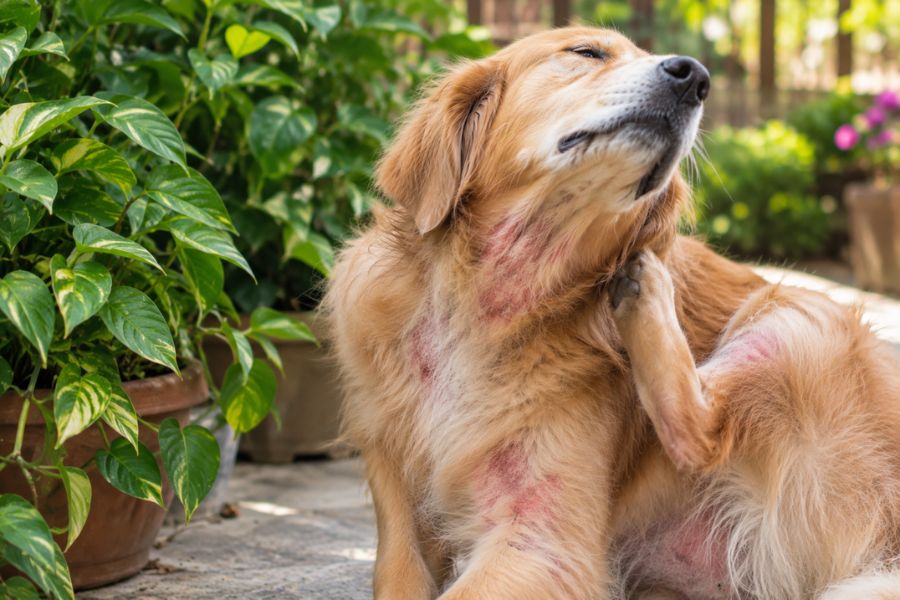
A dog that scratches through the night, chews its paws, or develops red patches may have allergic skin disease. Apoquel is a prescription medication that can reduce allergy-related itching in eligible dogs. This guide covers how it works, its weight-based dose chart, side effects, safety limits, and treatment decisions. The chart is a reference, not a prescription; only your dog’s clinician can select the dose.
What Is Apoquel for Dogs?
Apoquel contains oclacitinib, which blocks Janus kinase (JAK) pathways involved in itch and inflammation. It controls itching linked to allergic dermatitis and atopic dermatitis in dogs at least 12 months old. It can help with environmental allergies, but does not cure the allergy or remove its trigger.
Signs include scratching, paw licking, face rubbing, ear irritation, and hair loss. Fleas, mites, infections, and food reactions can look similar. An examination helps identify the cause before treatment.
Apoquel Dosage for Dogs: Weight-Based Chart
The labeled dose is 0.4–0.6 mg of oclacitinib per kilogram of body weight (0.18–0.27 mg per pound). The usual schedule is twice daily for up to 14 days, followed by once-daily maintenance when prescribed. Apoquel tablets and chewable tablets use the same dosing schedule.
| Dog’s weight | Tablet strength and amount per dose |
|---|---|
| 6.6–9.9 lb | ½ of a 3.6 mg tablet |
| 10–14.9 lb | ½ of a 5.4 mg tablet |
| 15–19.9 lb | 1 of a 3.6 mg tablet |
| 20–29.9 lb | 1 of a 5.4 mg tablet |
| 30–44.9 lb | ½ of a 16 mg tablet |
| 45–53.9 lb | ½ of a 3.6 mg tablet plus ½ of a 16 mg tablet |
| 54–59.9 lb | ½ of a 5.4 mg tablet plus ½ of a 16 mg tablet |
| 60–89.9 lb | 1 of a 16 mg tablet |
| 90–129.9 lb | 1½ of a 16 mg tablet |
| 130–175 lb | 2 of the 16 mg tablets |
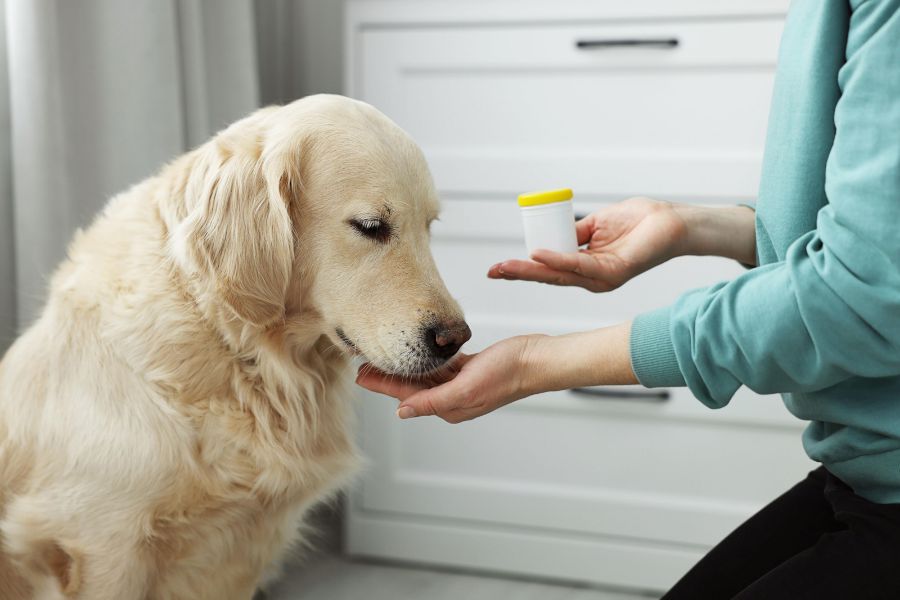
This manufacturer’s chart is not a substitute for an examination and prescription. Tablets may be split in half; quartering is not recommended because accuracy cannot be assured. Give with or without food. Never double a missed dose; ask the clinic for instructions, especially if your dog’s weight changes.
How Quickly Does Apoquel Work?
Some dogs improve within hours. Response varies. Apoquel controls itch signals but does not treat fleas, mites, or infections.
Common Apoquel Side Effects in Dogs
Common reactions include vomiting, diarrhea, reduced appetite, and lethargy. Increased thirst or skin changes may occur. Contact the clinic if symptoms persist or worsen.
Apoquel affects immune signaling and may increase infection risk, including demodectic mange, or worsen some existing cancers. Report infections, tumors, and all medicines. Seek advice for fever, worsening lesions, or new lumps. Collapse or breathing difficulty requires emergency care.
Which Dogs Should Not Take Apoquel?
Apoquel is not for dogs under 12 months or those with serious infections. It is not recommended for pregnant or nursing dogs. Discuss cancer history, infections, demodicosis, and other medicines.
Never use another pet’s prescription. Combine Apoquel with steroids or other immune-modifying drugs only when specifically directed. Follow-up examinations or blood tests may be advised.
Apoquel or Other Dog Allergy Treatments?
Apoquel is not right for every itchy dog. Treatment may include flea prevention, medicated shampoo, infection care, or immunotherapy. Other prescription options may suit some dogs.
A skin assessment can distinguish allergy from parasites or infection. Learn about allergy and dermatology care. Bring symptom dates, seasonal patterns, current products, and previous treatments.
What to Track During Apoquel Treatment
Keep an itch diary during treatment. Record how often your dog scratches, wakes at night, licks paws, or develops areas. Note stool changes, vomiting, appetite, energy, and lumps or sores. Share the record at follow-up visits. A return of itching may mean the original trigger remains active, the dose needs review, or an infection has developed.
Do not increase the dose yourself. Ask whether flea prevention, ear checks, skin testing, or a food trial should be part of the plan.
Help Your Dog Find Lasting Allergy Relief
Persistent itching deserves an assessment to identify triggers, check for infection, and decide whether Apoquel is suitable. Discuss side effects and long-term risks before treatment. Book an appointment to review options and support your dog’s skin health and comfort.
Frequently Asked Questions(FAQs):
1. Can I give Apoquel to my dog twice a day?
A: The labeled schedule is twice daily for up to 14 days, then once daily for maintenance if prescribed. Do not change frequency without the clinician’s direction. The plan depends on your dog’s response and health history.
2. Can Apoquel be given with food?
A: Yes. Tablets and chewables may be given with or without food. Follow the label and call the clinic if vomiting follows a dose. Food is optional, not a way to prevent every stomach reaction.
3. How long can a dog stay on Apoquel?
A: Duration varies. The clinician should reassess symptom control, infections, health, and whether continued benefits outweigh risks. Do not stop or continue indefinitely based only on how itchy your dog appears at home.
4. Does Apoquel cause cancer in dogs?
A: Apoquel is not proven to cause cancer, but may worsen some existing cancers. Discuss previous tumors or new lumps before and during treatment. Report newly discovered growths promptly rather than waiting for the next routine visit.
5. What happens if I miss an Apoquel dose?
A: Do not double the dose. Follow product instructions or ask the prescribing clinic what to do. The safest next step can depend on when the missed tablet was due and when you remembered.
6. Is Apoquel safe for puppies?
A: No. It is not approved for dogs under 12 months. Have a puppy examined to identify the itch trigger and choose age-appropriate care. Parasites and infections should be considered before selecting an allergy medicine.