Hablamos Español!
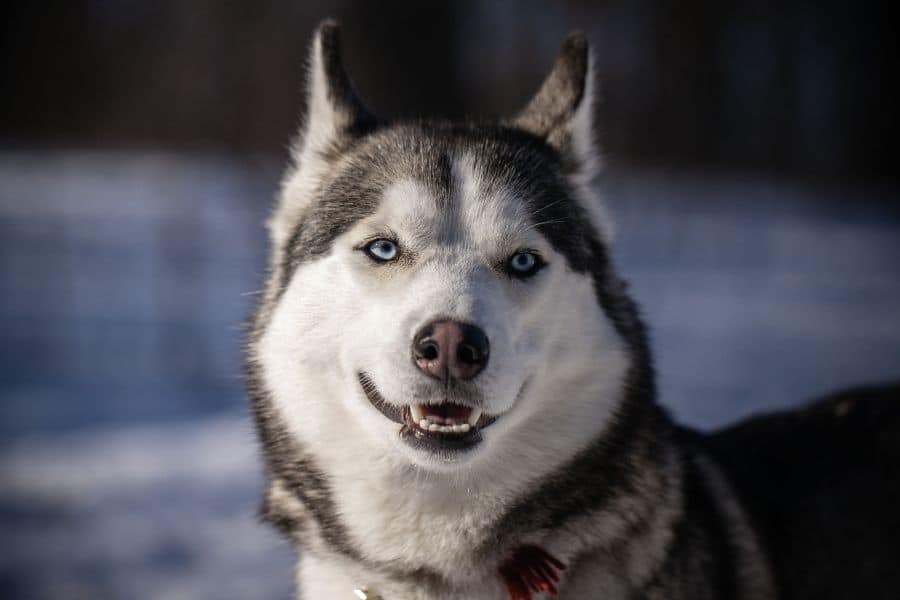
If you share your home with a Siberian Husky, you already know these dogs are full of energy, personality, and curiosity. They can turn an ordinary walk into an adventure and make it hard to believe they ever get tired.
But how long can a Husky live, and what can you do to help your dog enjoy those years in good health?
A typical Siberian Husky lifespan is around 12 to 14 years, although individual dogs may live shorter or longer lives. Genetics play a role, but daily care and regular health monitoring also have a major impact. Routine vet visits can help identify health concerns before they become harder to manage, keep preventive care on track, and give you a clearer picture of how your Husky is aging.
Vet care is not only about treating a sick dog. Much of its value comes from protecting your Husky before a serious problem develops.
Why Routine Vet Care Matters for Huskies
Huskies are often strong and active dogs, which can make early signs of illness easy to overlook. A dog that still wants to run, play, and explore may be dealing with a health problem that is not obvious at home.
Regular health exams give a professional an opportunity to look beyond your Husky’s energy level.
During a routine visit, your dog’s overall condition can be assessed, including:
- Weight and body condition
- Heart and breathing
- Skin and coat
- Eyes and ears
- Teeth and gums
- Joints and movement
- Digestive health
- Vaccination status
- Parasite protection
- Age-related changes
These checks create a health baseline for your dog. When the same areas are assessed over time, subtle changes become easier to recognize.
For example, a small change in weight may not seem important by itself. Over several visits, however, a steady increase could point to changes in activity, diet, metabolism, or another health concern.
Early attention gives you more options.
Preventive Care Can Protect Years of Good Health
One of the simplest ways to support a long Husky lifespan is to stay consistent with preventive care.
Preventive care focuses on reducing health risks instead of waiting until symptoms become severe. It can include routine examinations, recommended vaccinations, parasite prevention, dental evaluations, nutritional guidance, and age-appropriate screening.
You can learn more about preventive care as part of your Husky’s long-term health plan.
The goal is not to schedule unnecessary procedures. A clear preventive plan should be based on your dog’s age, lifestyle, health history, exposure risks, and individual needs.
Vaccinations Help Prevent Serious Disease
Vaccinations protect dogs from several contagious diseases that can cause severe illness. Your Husky’s vaccination plan should be based on factors such as age, previous vaccination history, lifestyle, and local disease risks.
A Husky that spends time at dog parks, boarding facilities, training classes, or outdoor areas may have different exposure risks than a dog that spends most of its time at home.
Keeping vaccinations current is one practical part of protecting your dog’s health over the long term.
Parasite Prevention Should Not Be Overlooked
Fleas, ticks, heartworms, and intestinal parasites can affect dogs throughout the United States. Some parasites cause obvious problems, while others may remain unnoticed until they cause significant illness.
Your Husky’s lifestyle matters here. Hiking, camping, outdoor play, travel, and regular contact with other animals can increase exposure to parasites.
A consistent prevention plan can reduce those risks and help protect your dog’s quality of life.
Early Detection Can Make a Major Difference
One of the biggest ways routine care can influence a Husky’s lifespan is through early detection.
Dogs cannot tell us that something feels wrong. They also tend to hide signs of illness. By the time a noticeable symptom appears, a condition may have already progressed.
Routine exams can uncover changes before they become obvious to you.
Depending on your dog’s age and health, screening may include blood work, urine testing, blood pressure checks, or other diagnostic tests. These tests are not automatically needed at every visit. The right approach depends on the individual dog.
Early detection can be especially useful for conditions that develop gradually.
A small change in kidney function, for example, may not cause noticeable behavior changes at first. Finding that change early allows for closer monitoring and appropriate care before the problem becomes more advanced.
Dental Health Can Affect Overall Wellness
Have you ever checked your Husky’s teeth closely?
Dental disease is common in dogs and can cause more than bad breath. Plaque and tartar can contribute to gum inflammation, infection, pain, and tooth loss.
Some dogs continue eating normally even when their mouths hurt, so changes may not be obvious.
Regular oral checks help identify dental problems earlier. At home, brushing your Husky’s teeth with products made for dogs can also help control plaque.
Professional dental cleaning may be recommended when buildup cannot be managed with home care alone. Keeping your Husky’s mouth healthy supports comfort and makes eating easier as the dog gets older.
Weight Management Is Essential for an Active Breed
Huskies are built for endurance, but that does not mean they can eat unlimited amounts of food.
A healthy weight reduces unnecessary stress on the joints and can make movement easier. Excess weight can also affect a dog’s ability to stay active, which can create a cycle of weight gain and reduced exercise.
Your Husky’s ideal food intake depends on several factors, including:
- Age
- Size
- Activity level
- Body condition
- Current health
- Type and calorie content of food
Use body condition rather than the number on the food bag as your only guide. Feeding instructions are starting points, not guarantees that every dog needs the same amount.
If your Husky is gaining or losing weight without an obvious reason, bring it up during a health visit.
Exercise Supports a Longer, Healthier Life
Exercise is a major part of Husky care. These dogs were bred for endurance and often need much more activity than a short walk around the block.
Regular physical activity can support:
- Healthy body weight
- Muscle strength
- Joint mobility
- Cardiovascular fitness
- Mental stimulation
- Healthy behavior
But more exercise is not always better.
Your Husky’s activity should match its age and physical condition. Puppies have different exercise needs than adults, while senior dogs may benefit from shorter, lower-impact activities.
Watch for changes in stamina, gait, recovery time, or willingness to exercise. A Husky that suddenly stops wanting to run may be communicating that something has changed.
Huskies Need Mental Stimulation Too
A healthy lifespan is about more than preventing physical disease.
Huskies are intelligent dogs that often need regular mental challenges. Without enough stimulation, they may become bored and find their own entertainment. That can mean digging, escaping, chewing, excessive vocalizing, or other unwanted behaviors.
Puzzle toys, scent games, obedience training, interactive play, and new walking routes can provide useful mental stimulation.
Mental activity also gives you opportunities to notice changes in your dog’s behavior. If a normally social and curious Husky suddenly becomes withdrawn, restless, confused, or unusually irritable, do not assume it is simply getting older.
Behavior changes can have physical causes and deserve attention.
Senior Husky Care Changes With Age
As your Husky gets older, the purpose of routine care shifts.
A young dog may need more attention to vaccinations, growth, parasites, nutrition, and development. An adult dog may need ongoing monitoring of weight, dental health, and general wellness. A senior Husky may benefit from more frequent health monitoring and age-related screening.
Watch for Changes at Home
Between appointments, you are the person who knows your Husky best.
Pay attention to changes in:
- Appetite
- Water consumption
- Urination
- Bowel movements
- Sleep patterns
- Energy
- Mobility
- Weight
- Grooming habits
- Breathing
- Behavior
One isolated change does not always mean something serious. A persistent or unusual change deserves attention, especially in an older dog.
Keeping a simple record can help. If your Husky starts drinking more water or slowing down on walks, write down when you first noticed it and whether it continues.
That information can be valuable during a health visit.
Genetics Still Matter, But They Are Not the Whole Story
No care plan can guarantee a specific lifespan.
Genetics influence a Husky’s risk for certain inherited conditions, and every dog is different. A dog with excellent care can still develop a serious disease. At the same time, good preventive habits can reduce avoidable risks and help identify problems earlier.
This is why the goal should not be to chase a specific number of years.
The better goal is to give your Husky as many healthy, comfortable years as possible.
How Often Should a Husky See the Vet?
There is no single schedule that fits every Husky.
Puppies generally need more frequent visits during their first year because they are growing rapidly and require a series of preventive measures. Healthy adult dogs typically need regular wellness visits, while senior dogs or dogs with ongoing health concerns may need more frequent monitoring.
Your dog’s schedule should account for age, lifestyle, health history, medications, risk factors, and previous findings.
If you are unsure whether your Husky is due for a health check, review the schedule with your dog’s care team rather than waiting for symptoms to appear.
When Should You Contact a Vet?
Routine visits are important, but they are not a replacement for paying attention when something changes.
Contact a vet if you notice a persistent change in your Husky’s appetite, drinking, bathroom habits, energy, weight, mobility, breathing, or behavior.
Sudden or severe symptoms require prompt attention.
The important point is simple: do not wait for a problem to become obvious before taking it seriously.
Conclusion: Building a Longer, Healthier Husky Life
A long Husky lifespan is influenced by many factors, including genetics, nutrition, exercise, environment, dental health, weight, and access to appropriate medical care.
You cannot control every part of your dog’s future. You can control how consistently you monitor their health and respond to changes.
Routine vet care helps create that safety net. Regular examinations can catch subtle changes, preventive measures can reduce common health risks, and early treatment can give your Husky a better chance of maintaining a comfortable quality of life.
Think of each health visit as part of a much bigger picture. The goal is not simply to treat illness when it appears. It is to understand your Husky’s health over time and make informed decisions as their needs change.
With attentive daily care and a thoughtful preventive health plan, you can give your Husky the best possible foundation for a long, active, and comfortable life.
Frequently Asked Questions
1. What is the average lifespan of a Siberian Husky?
A: The average Siberian Husky lifespan is about 12 to 14 years. Some Huskies live beyond this range, while others develop health problems earlier. Genetics, nutrition, exercise, weight management, preventive care, and overall health all influence individual lifespan.
2. Can regular vet visits help a Husky live longer?
A: Regular visits can support a longer and healthier life by helping identify health problems early and keeping preventive care on track. They also provide opportunities to monitor weight, dental health, mobility, vaccinations, parasite risks, and age-related changes.
3. How often should my Husky have a health check?
A: The right schedule depends on your dog’s age and health. Puppies usually need more frequent visits during their first year. Healthy adult Huskies generally need regular wellness checks, while senior dogs or dogs with ongoing health concerns may require more frequent monitoring.
4. What health changes should I watch for in an older Husky?
A: Watch for changes in appetite, thirst, weight, energy, mobility, sleep, bathroom habits, breathing, grooming, and behavior. Difficulty getting up, reluctance to exercise, confusion, or sudden behavior changes should not automatically be dismissed as normal aging.
5. Does exercise affect a Husky’s lifespan?
A: Regular, appropriate exercise supports healthy weight, muscle strength, mobility, cardiovascular fitness, and mental well-being. However, exercise should match your Husky’s age and physical condition. A sudden reduction in stamina or willingness to exercise can be a sign that your dog needs a health assessment.