
Hablamos Español!
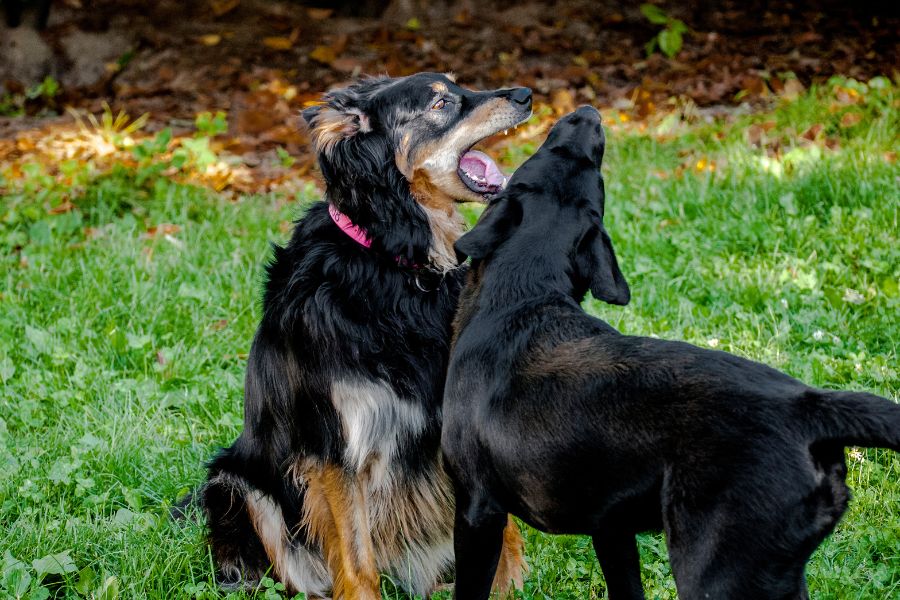
Dogs thrive when they understand routines, boundaries, and rewards. Many pet owners struggle with barking, chewing, jumping, leash pulling, and anxiety because these habits often develop from boredom, confusion, fear, or lack of guidance.
Dog training does not need harsh punishment or complicated methods. Clear communication, patience, and consistency create lasting results for most dogs. This guide explains practical ways to correct common dog behavior problems while strengthening trust between you and your pet.
You will learn how to encourage good habits, prevent unwanted actions, and build confidence through positive reinforcement training. Every dog learns at a different pace, though steady practice makes progress easier for both pets and owners in Palm Desert.
Why Dogs Develop Behavior Problems
Many dog behavior problems begin when a dog lacks structure, physical activity, or mental stimulation. Puppies explore their surroundings through chewing and jumping. Adult dogs may bark excessively because they feel stressed or under-exercised. Some dogs react to unfamiliar people or loud sounds because they feel uncertain.
Understanding the reason behind the behavior helps owners choose the right dog training approach. Punishment often increases fear and confusion. Positive reinforcement training teaches dogs what actions earn praise, treats, or attention.
Signs Your Dog Needs Training Support
- Excessive barking indoors or outdoors
- Pulling hard during walks
- Jumping on guests or family members
- Destructive chewing around the house
- Aggressive reactions toward people or pets
- Separation anxiety when left alone
How to Stop Excessive Barking
Barking is a natural form of communication. Dogs bark to alert owners, express excitement, or react to stress. Constant barking becomes frustrating when owners respond inconsistently.
Training Tips for Barking
Teach the “quiet” command in a calm environment. Allow your dog to bark once or twice, then say “quiet” in a firm voice. Reward silence with treats and praise. Repeat the exercise daily.
Dogs also bark from boredom. Daily walks, puzzle toys, and interactive games reduce restless energy. Avoid yelling because dogs often interpret loud responses as shared excitement.
Correcting Destructive Chewing
Chewing helps puppies relieve discomfort during teething. Older dogs chew because they feel anxious or lack stimulation.
Ways to Redirect Chewing
Provide safe chew toys with different textures. Rotate toys every few days to maintain interest. Keep shoes, cords, and household items out of reach during training.
When your dog chews on an inappropriate object, redirect attention toward a toy instead of punishing the behavior. Praise your dog immediately after choosing the correct item.
Crate training also helps prevent destructive habits when owners cannot supervise their dogs directly.
Teaching Dogs Not to Jump on People
Jumping usually develops because dogs seek attention. Many owners accidentally reward this behavior by speaking, touching, or laughing when dogs jump.
Simple Training for Jumping
Ignore jumping completely. Turn away and avoid eye contact until your dog keeps all four paws on the floor. Reward calm behavior with treats or affection.
Ask guests to follow the same rules. Consistency matters because mixed reactions confuse dogs and slow progress.
Training sessions should remain short and positive. Repeating calm greetings several times each day builds stronger habits.
Managing Leash Pulling During Walks
Leash pulling turns walks into stressful experiences for dogs and owners. Dogs pull because they move faster than humans and become excited by sights and smells.
Loose Leash Walking Techniques
Stop walking immediately when your dog pulls ahead. Resume walking after the leash relaxes. This method teaches dogs that pulling prevents forward movement.
Reward your dog for staying close beside you. Small treats and verbal praise encourage better leash manners.
Front-clip harnesses may improve control without causing discomfort. Regular practice in quiet areas helps dogs focus before moving into busier environments.
Helping Dogs with Separation Anxiety
Some dogs become distressed when left alone. Signs include pacing, whining, scratching doors, or destructive behavior.
Reducing Anxiety at Home
Practice short departures throughout the day. Leave for a few minutes, then return calmly without creating excitement. Gradually increase the amount of time away.
Create a comfortable space with familiar toys, soft bedding, and calming background noise. Exercise before departures also helps many dogs settle more easily.
Dogs with severe anxiety may require professional dog training support or behavioral guidance.
Building Better Training Habits
Successful dog training depends on consistency and patience. Dogs learn faster when owners practice daily routines and reward good choices immediately.
Helpful Dog Training Strategies
1. Use Positive Reinforcement
Treats, praise, and toys motivate dogs to repeat desired actions. Rewards should happen immediately after correct behavior.
2. Keep Commands Simple
Use short commands like “sit,” “stay,” “come,” and “quiet.” Repeating long phrases creates confusion.
3. Stay Consistent
Every family member should follow the same training rules. Consistency prevents mixed signals.
4. Exercise Your Dog Daily
Physical activity reduces boredom and supports healthier behavior indoors.
Conclusion
Dog training creates a safer, calmer, and more enjoyable relationship between dogs and their owners. Clear communication, regular exercise, and positive reinforcement help correct many common behavior problems without fear or punishment.
Small daily improvements often lead to lasting success over time. If you are searching for wellness services for your dog’s behavior, at El Paseo Animal Hospital, we provide compassionate support and personalized care for pets and families. Book an appointment with our team to receive tailored training guidance and wellness support for your dog. For pet owners in Palm Desert, our team combines community-focused service with attentive care designed to support your dog’s long-term well-being.
Frequently Asked Questions(FAQs):
1. What is the best age to start dog training?
A: Puppies can begin learning basic commands around eight weeks old. Early training helps dogs develop confidence, social skills, and positive habits before unwanted behaviors become difficult to manage. Adult dogs also respond well to consistent training and patience.
2. How long does dog training usually take?
A: Training progress depends on the dog’s age, personality, and consistency at home. Some dogs learn simple commands within days, while behavior problems like anxiety or aggression may require several weeks or months of regular practice.
3. Why does my dog ignore commands outside?
A: Outdoor environments contain distractions like people, smells, and sounds. Dogs often need gradual training in quiet spaces before they can focus reliably in parks, neighborhoods, or busy walking areas with higher levels of stimulation.
4. Are treats necessary for positive reinforcement training?
A: Treats help motivate dogs during early training stages. Praise, toys, and affection also work as rewards. Many owners slowly reduce treat use once their dogs consistently respond to commands and understand expected behaviors.
5. Can older dogs still learn new behaviors?
A: Older dogs can absolutely learn new commands and routines. Patience, repetition, and positive reinforcement remain effective for senior dogs. Training activities also provide mental stimulation that supports confidence and emotional well-being in older pets.
6. When should I seek professional dog training help?
A: Professional support may help when dogs display aggression, severe anxiety, destructive behavior, or fear-based reactions. Trainers can identify triggers, create structured behavior plans, and guide owners through safer and more effective correction techniques.