
Hablamos Español!
Intervertebral Disc Disease (IVDD) is one of the most common spinal conditions affecting dogs. It occurs when the discs between the vertebrae become damaged, placing pressure on the spinal cord and nerves. Many pet owners first notice signs such as pain, difficulty walking, weakness, or even paralysis. Understanding how IVDD is treated and what recovery truly involves helps families make informed decisions.
This guide explains IVDD symptoms, diagnosis, treatment options, surgery, rehabilitation, recovery timelines, and ways to support long-term spinal health. It also covers realistic expectations so dog owners know what lies ahead after diagnosis.
What Is IVDD in Dogs?
IVDD develops when the cushioning discs between spinal bones deteriorate or rupture. The damaged disc material presses against the spinal cord, causing inflammation, pain, and mobility problems.
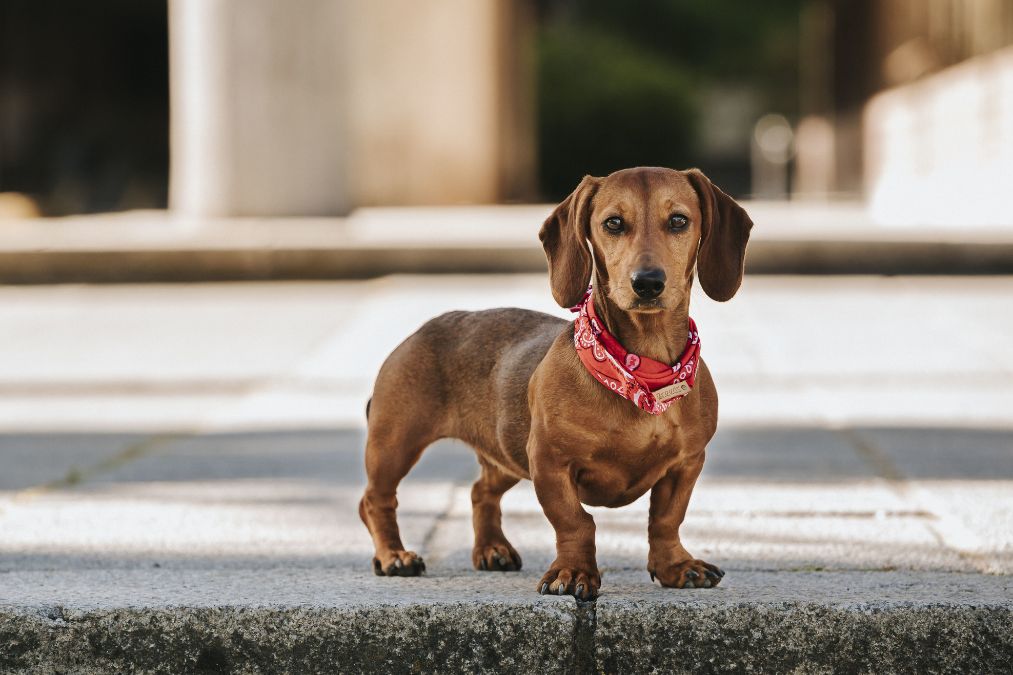
Certain breeds face a higher risk. Dachshunds, Beagles, French Bulldogs, Shih Tzus, Pekingese, and Corgis commonly experience this condition. Large breeds can also develop IVDD.
The severity ranges from mild discomfort to complete loss of movement. Early treatment often improves outcomes significantly.
Common Signs of IVDD
Recognizing symptoms early can help prevent further spinal damage.
Symptoms Pet Owners Often Notice
- Neck or back pain
- Reluctance to jump or climb stairs
- Difficulty standing
- Wobbling while walking
- Weakness in the legs
- Dragging paws
- Loss of bladder control
- Paralysis in severe cases
Some dogs show subtle signs at first. Others experience sudden symptoms after normal activity.
How IVDD Is Diagnosed
Diagnosis begins with a physical examination and neurological assessment. The doctor evaluates reflexes, limb strength, pain response, and coordination.
Diagnostic imaging helps determine the location and severity of spinal compression.
Common Diagnostic Tests
- Digital X-rays
- CT scans
- MRI scans
- Neurological evaluations
MRI is often considered the most accurate tool for identifying affected discs and planning treatment.
A thorough diagnosis helps determine whether conservative management or surgery is the best option.
Non-Surgical Treatment for IVDD
Not every dog with IVDD requires surgery. Mild to moderate cases may improve with conservative treatment.
Components of Conservative Care
1. Strict Rest
Activity restriction is essential. Dogs often require several weeks of crate rest to prevent additional spinal injury.
2. Pain Management
Medications may be prescribed to reduce inflammation, relieve discomfort, and support healing.
3. Physical Rehabilitation
Controlled exercises help improve strength, balance, and mobility once the acute phase has passed.
4. Weight Management
Excess body weight increases spinal stress. Maintaining a healthy weight supports recovery and reduces future strain.
Many dogs respond well when treatment begins before severe neurological damage occurs.
When Is Surgery Recommended?
Surgery becomes necessary when spinal cord compression causes significant weakness, loss of mobility, recurring episodes, or paralysis.
The primary goal is to remove pressure from the spinal cord and create an environment for healing.
Benefits of IVDD Surgery
- Relieves spinal cord compression
- Reduces pain
- Improves mobility
- Increases chances of neurological recovery
- Helps prevent permanent damage
The success rate often depends on how quickly surgery occurs after severe symptoms develop.
Dogs that still retain deep pain sensation generally have a better prognosis than those with complete loss of sensation.
What Happens During Recovery?
Recovery from IVDD is a gradual process. Improvement often occurs in stages rather than overnight.
Some dogs begin showing progress within days. Others require weeks or months of rehabilitation.
1. The First Few Weeks
The initial recovery period focuses on rest, pain control, and monitoring.
Pet owners may need to:
- Assist with walking
- Use support harnesses
- Limit movement
- Administer medications
- Monitor bladder and bowel function
Follow-up appointments help track healing progress and adjust treatment plans.
2. Rehabilitation Therapy
Rehabilitation plays an important role in many recovery plans.
Common therapies include:
- Controlled walking exercises
- Balance training
- Range-of-motion exercises
- Underwater treadmill sessions
- Strength-building activities
These techniques help restore coordination and muscle function while reducing stiffness.
Realistic Recovery Expectations
One of the biggest questions pet owners ask is how long recovery takes.
The answer varies depending on several factors:
- Severity of spinal cord damage
- Duration of symptoms before treatment
- Age of the dog
- Overall health
- Type of treatment received
Some dogs return to normal activity within six to eight weeks. Others require several months of rehabilitation.
A small percentage may experience permanent neurological deficits despite appropriate treatment.
Open communication with your care team helps create realistic expectations throughout the recovery journey.
Long-Term Care After IVDD
Even after successful treatment, dogs remain at risk for future spinal problems.
Long-term management focuses on protecting the spine and reducing strain.
Helpful Preventive Strategies
- Maintain a healthy weight
- Use ramps instead of stairs
- Limit jumping from furniture
- Continue recommended exercises
- Attend regular wellness evaluations
Many hospitals incorporate pet preventive care into long-term health plans to monitor mobility changes and support overall wellness.
Consistent care helps many dogs enjoy active, comfortable lives after recovering from IVDD.
Conclusion
IVDD in dogs can be frightening, especially when symptoms appear suddenly. Early recognition, accurate diagnosis, and timely treatment play a major role in achieving positive outcomes. Some dogs recover with conservative care, while others benefit from surgery and rehabilitation.
Recovery requires patience, commitment, and realistic expectations. With proper medical guidance, rehabilitation, weight management, and ongoing support, many dogs regain mobility and maintain a good quality of life. Understanding the treatment process empowers pet owners to make informed decisions and provide the best possible support during every stage of recovery.
Frequently Asked Questions(FAQs):
1. What causes IVDD in dogs?
A: IVDD occurs when spinal discs degenerate, bulge, or rupture, creating pressure on the spinal cord. Genetics, age, breed predisposition, obesity, and physical stress can all contribute to the development of this condition.
2. Can a dog recover from IVDD without surgery?
A: Yes. Mild and moderate cases often respond to strict rest, medications, rehabilitation, and activity restriction. Recovery success depends on symptom severity, neurological function, and adherence to the recommended treatment plan.
3. How long does IVDD recovery take?
A: Recovery timelines vary. Some dogs improve within six to eight weeks, while others require several months. Factors include injury severity, treatment type, age, overall health, and rehabilitation participation.
4. Is IVDD surgery successful?
A: Many dogs experience significant improvement after surgery, particularly when treatment occurs quickly. Success rates are generally higher in dogs that still retain deep pain sensation before the procedure.
5. Can IVDD come back after treatment?
A: Yes. Dogs diagnosed with IVDD may experience future disc problems. Weight control, activity modifications, regular evaluations, and long-term spinal care can help reduce recurrence risk.
6. Which dog breeds are most likely to develop IVDD?
A: Dachshunds have the highest risk. Other commonly affected breeds include French Bulldogs, Beagles, Corgis, Shih Tzus, and Pekingese. Any breed can develop IVDD, though predisposed breeds face a greater risk.